
Biblioteca virtual
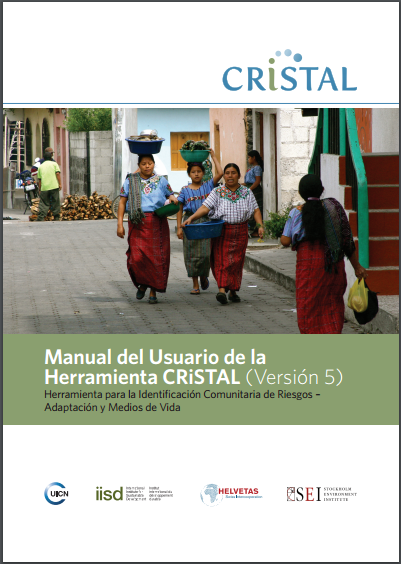
Manual del Usuario de la Herramienta CRiSTAL (Versión 5)
CRiSTAL es una herramienta de planificación de proyectos que ayuda a los usuarios a diseñar actividades que promuevan la adaptación climática (es decir, adaptación a la variabilidad climática y al cambio climático) a nivel comunitario.
MANUAL ECOSEC - Evaluación de la Seguridad Económica
Concebido principalmente para el personal de Seguridad Económica (EcoSec) del CICR, este manual guía a los lectores a través del proceso de evaluación de la situación de seguridad económica de las personas, los hogares o las comunidades afectadas por perturbaciones naturales o provocadas por el hombre. Su contenido complementa el Módulo de Capacitación EcoSec 1, "Evaluación de la Seguridad Económica".
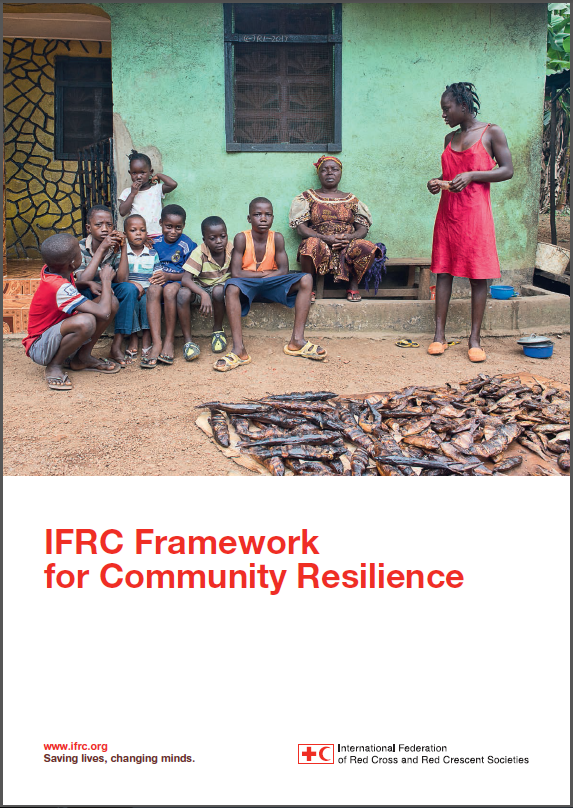
Marco de la Federación Internacional para el fomento de la resiliencia comunitaria
El objetivo principal de este marco es: “Sentar las bases para la formulación, la ejecución y el mantenimiento de programas, proyectos, intervenciones y actividades de la Federación Internacional, en diversos contextos, que contribuyan a fortalecer la resiliencia comunitaria”.
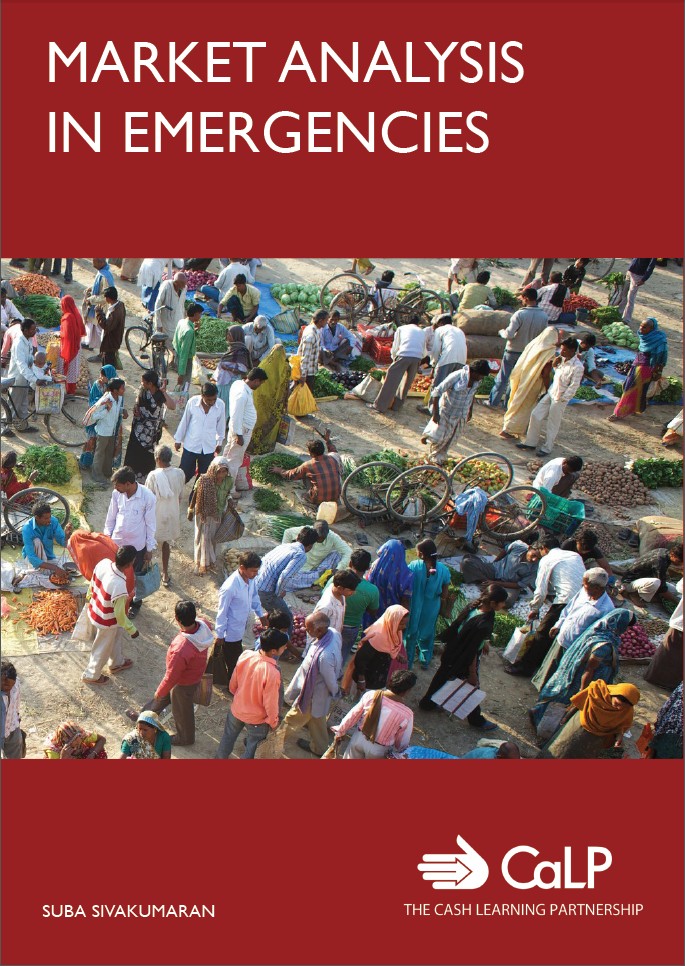
Market Analysis in Emergencies
This study represents the first phase of a broader research to understand how to strengthen interventions by using market analysis and what is needed to conduct market analysis well.
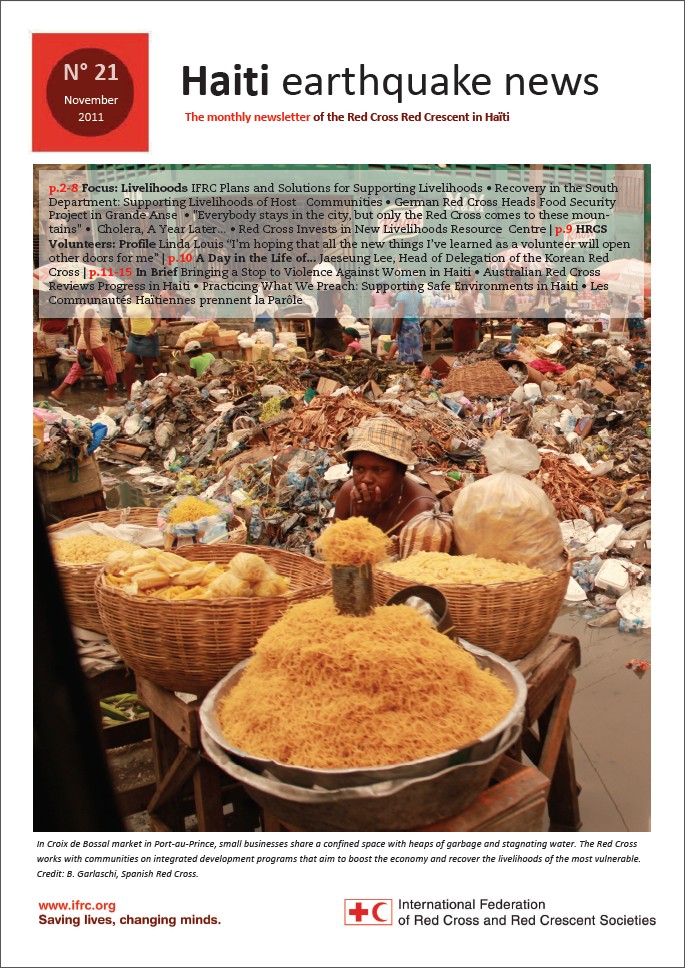
Maximising the Nutritional Impact of Food Security and Livelihoods Interventions
This manual aims to provide practical guidance to field workers in order to maximise the nutritional impact of food security & livelihoods (FSL) interventions. This requires the systematic use of a "nutrition lens" at each step of the project cycle and a close collaboration between sectors.
Mercado Inclusivo para Pobres. Experiencia del Cáucaso Sur
Este documento trata de ser complementario al documento publicado por ACH en 2008 "El Mercado para los pobres", que abordaba el marco teórico y conceptual del enfoque M4P.
Metodologías para la Evaluación del Impacto Socioeconómico de los Desastres
Las metodologías recogidas en este documento -basadas en los conceptos y criterios del Manual de la CEPAL- se utilizan actualmente en el Centro Nacional de Prevención de Desastres (CENAPRED) para la evaluación del impacto de los ...
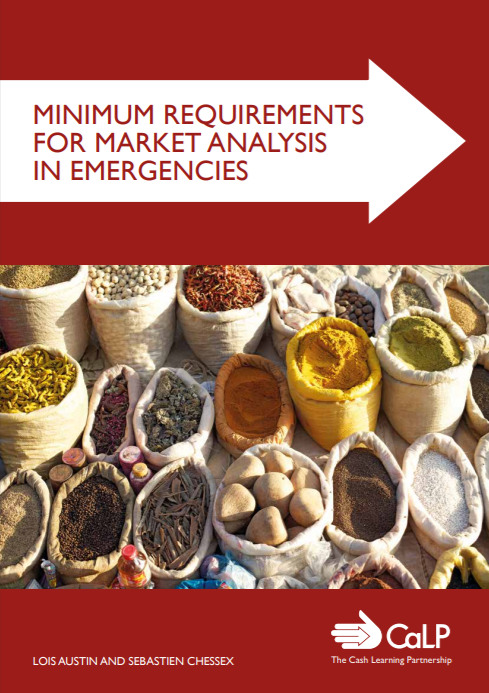
Minimum Requirements for Market Analysis in Emergencies
The Minimum Requirements for market analysis in emergencies builds upon work already undertaken relating both to market analysis (CaLP research `Markets in Emergencies') and standard setting and answers this question: What is the minimum market analysis required at various stages of the project cycle.
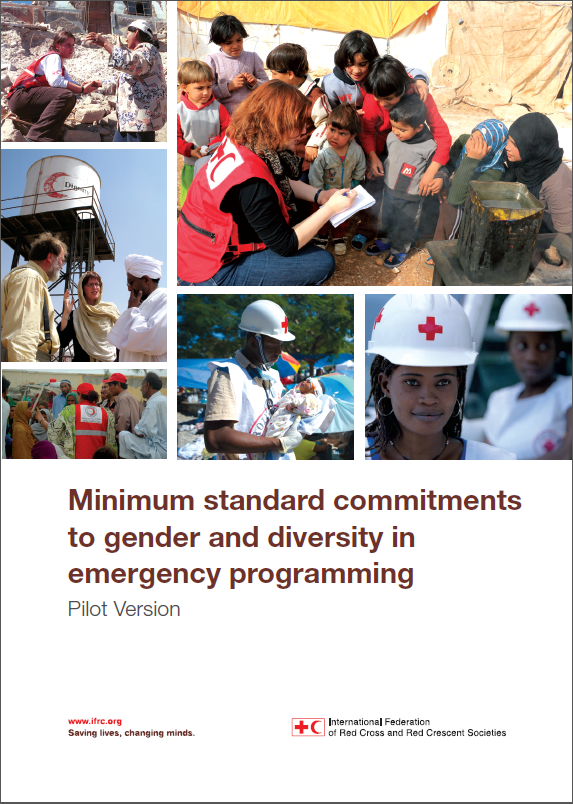
Minimum standard commitments to gender and diversity in emergency programming
This guidance presents Red Cross Red Crescent staff and volunteers with a set of Minimum Standard Commitments to gender and diversity in emergency programming. They are designed to assist in the analysis and response to the distinct needs of females and males of all ages and backgrounds.
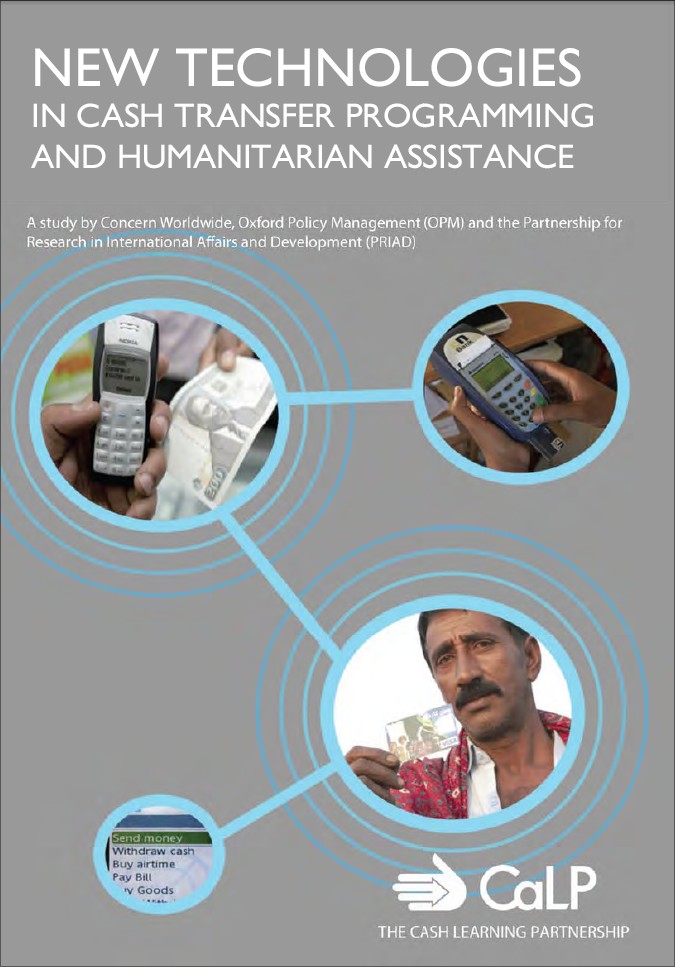
New Technologies in Cash Transfer Programming and Humanitarian Assistance
This study was commissioned by the Cash Learning Partnership (CaLP) in 2011, to review the current use of new technology in humanitarian cash and voucher programming and the broader implications for humanitarian practice.
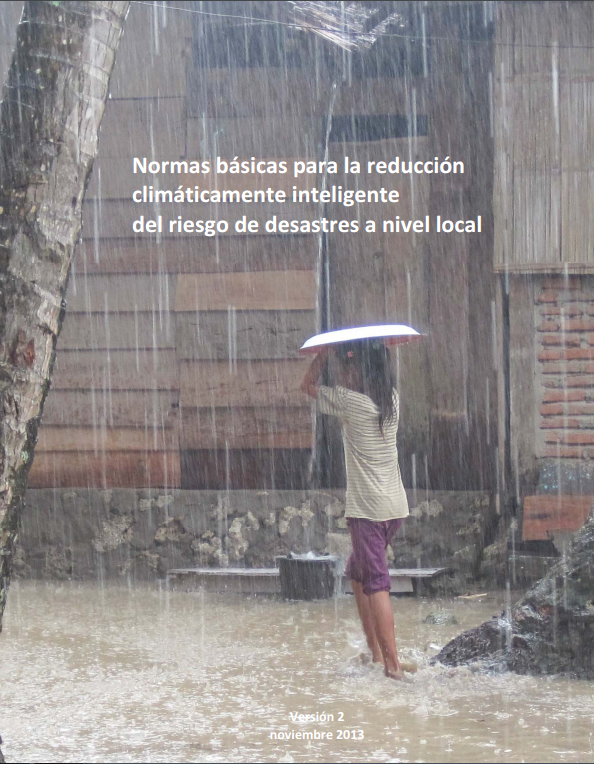
Normas básicas sobre Actividades de Reducción del Riesgo de Desastres Climáticamente Inteligentes a Nivel Local
En este documento de presentación, para "fomentar la integración de las capacidades locales en las estrategias nacionales de adaptación al clima" se analiza cómo las actividades destinadas a la reducción del riesgo de desastres pueden ampliarse respecto de cómo se aplican usualmente para llegar a ser "climáticamente inteligentes" y, durante ese proceso, hacer una contribución significativa a la adaptación al cambio climático.
Normas HAP 2010 en materia de rendición de cuentas y gestión de calidad
Las Normas HAP ayudan a las organizaciones que asisten o trabajan en nombre de personas afectadas por desastres, situaciones de conflicto, pobreza u otro tipo de crisis humanitarias, a diseñar, ejecutar, evaluar y mejorar programas responsables con rendición de cuentas.
Normas y Directrices para Intervenciones Ganaderas en Emergencias (LEGS) Segunda Edición
Las Normas y Directrices para Intervenciones Ganaderas en Emergencias (LEGS) son un conjunto de directrices y normas internacionales para el diseño, la ejecución y la evaluación de las intervenciones centradas en el ganado para ...
Optimizing Cash-based Interventions for Protection from Gender-based Violence: Protocol for GBV Caseworkers
From 2016 to 2018, the Women’s Refugee Commission (WRC) undertook a project to build humanitarian actors’ capacity to mainstream protection in cash-based interventions (CBIs) and to utilize CBIs for protection outcomes, specifically protection from gender-based violence (GBV).
Planificación de Proyectos y Programas. Manual de Orientación
El presente manual de orientación tiene por objeto introducir al usuario a la planificación de proyectos y programas en el entorno de la Cruz Roja y de la Media Luna Roja. Describe las diferentes etapas de la fase de planificación del «ciclo de los proyectos y programas», en el contexto de la gestión basada en los resultados.
Ficheros: PPP-Guidance-Manual - English | PPP- Manual - Guia - ESP | PPP Manual 2010 RU | PPP Manual 2010 AR |
Policy Research Working Paper 5851. Livelihoods and the Allocation of Emergency Assistance after the Haiti Earthquake
In this paper, a unique post-earthquake survey designed to provide a rapid assessment of food insecurity in Haiti is used in order to see how adequately emergency assistance programs have been allocated.
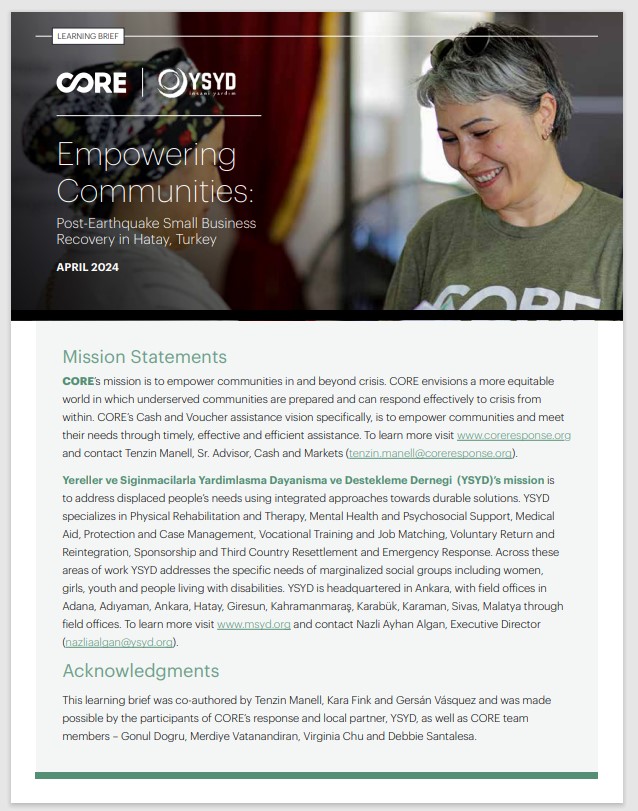
Post-earthquake small business recovery in Hatay, Turkey
On February 6, 2023, a 7.7 magnitude earthquake devastated Turkey and Syria, followed by numerous aftershocks. CORE and its partners implemented one of the first early recovery initiatives delivering business grants and training to small businesses in Hatay Province in Turkey. This learning brief focuses on lessons from this recovery support to 58 business owners in Hassa and includes recommendations for scaling in this context.
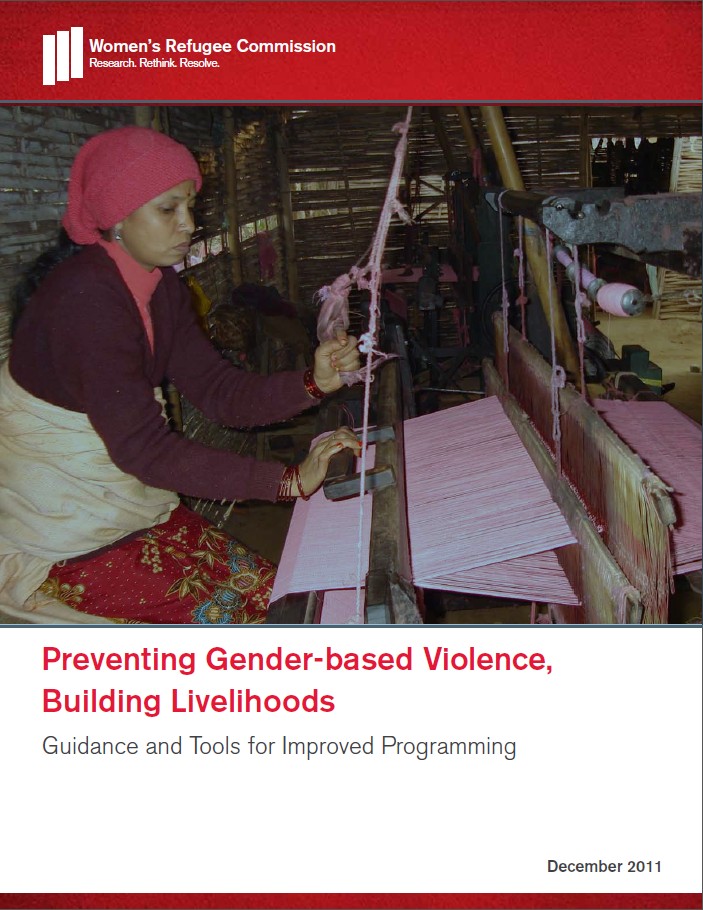
Preventing Gender-based Violence, Building Livelihoods: Guidance and Tools for Improved Programming
Women displaced by conflict or natural disaster adopt new strategies to provide for themselves and their families. These new strategies often place them at risk of gender-based violence.
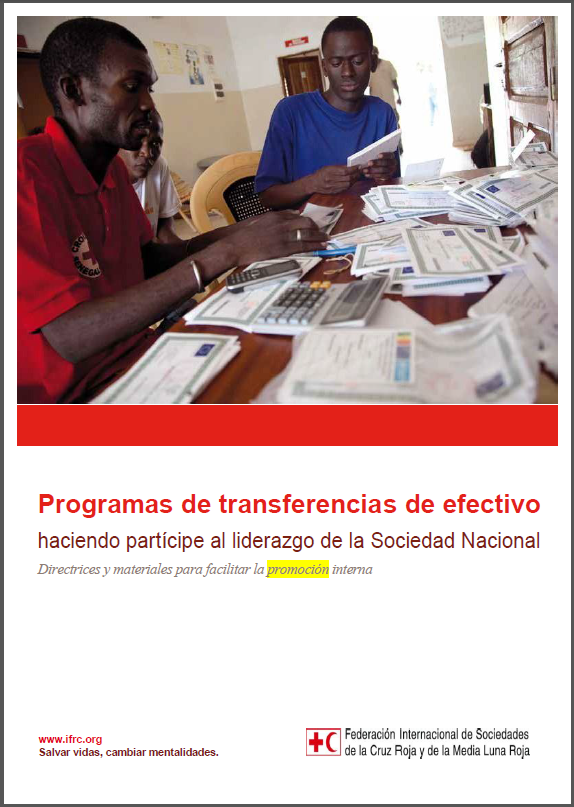
Programas de transferencias de efectivo haciendo partícipe al liderazgo de la Sociedad Nacional
Esta guía presenta los materiales necesarios para impartir a los/las representantes principales de una Sociedad Nacional una sesión de concienciación sobre la naturaleza de los programas de transferencias de efectivo, sus retos y sus beneficios.
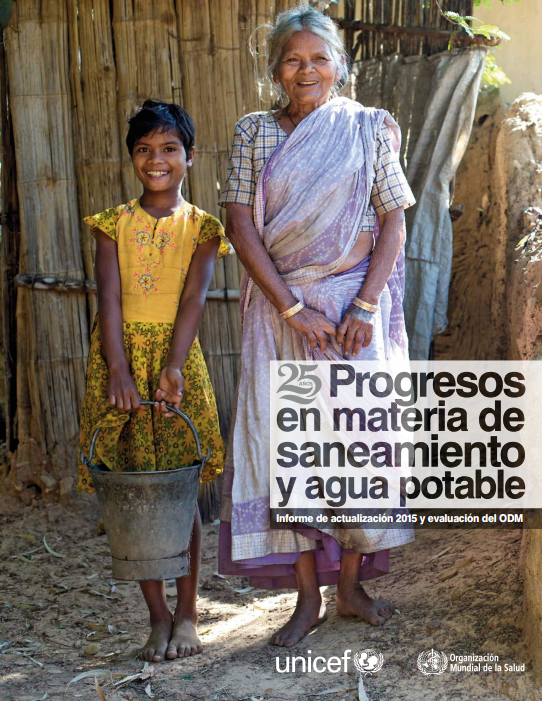
Progresos en materia de agua potable y saneamiento Informe de actualización 2015 y evaluación del ODM
Los Objetivos de Desarrollo del Milenio (ODM) –el marco que orientó gran parte de los esfuerzos tendientes a construir un mundo mejor durante los últimos 15 años– instaron a la comunidad mundial a reducir a la mitad la proporción de la población sin acceso a agua potable y a servicios básicos de saneamiento.
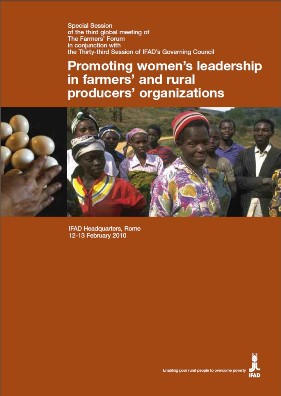
Promoting Women's Leadership in Farmers' and Rural Producers' Organizations
The Special Session on Promoting Women's Leadership in Farmers' and Rural Producers' Organizations was held on 12 and 13 February 2010, prior to the meeting of the Farmers' Forum and IFAD's Governing Council.
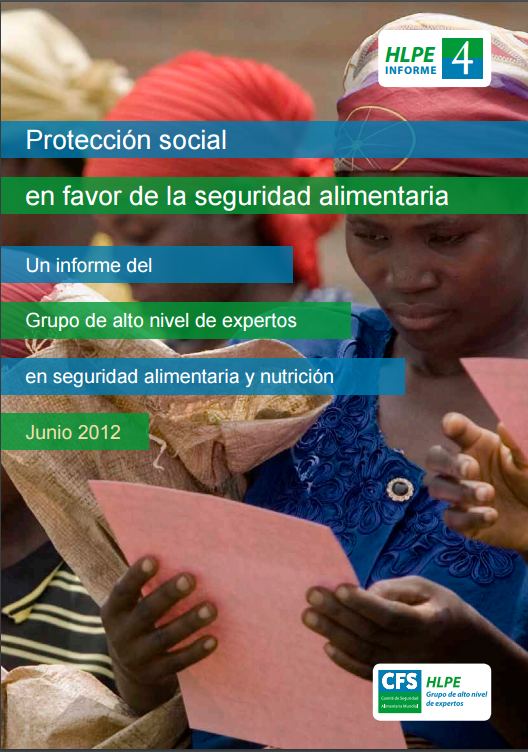
Protección social en favor de la seguridad alimentaria
Este informe destaca la necesidad de prestar atención a las medidas de protección social, tanto de carácter intergeneracional como intrageneracional, a fin de poder garantizar la seguridad alimentaria para todos y para siempre.
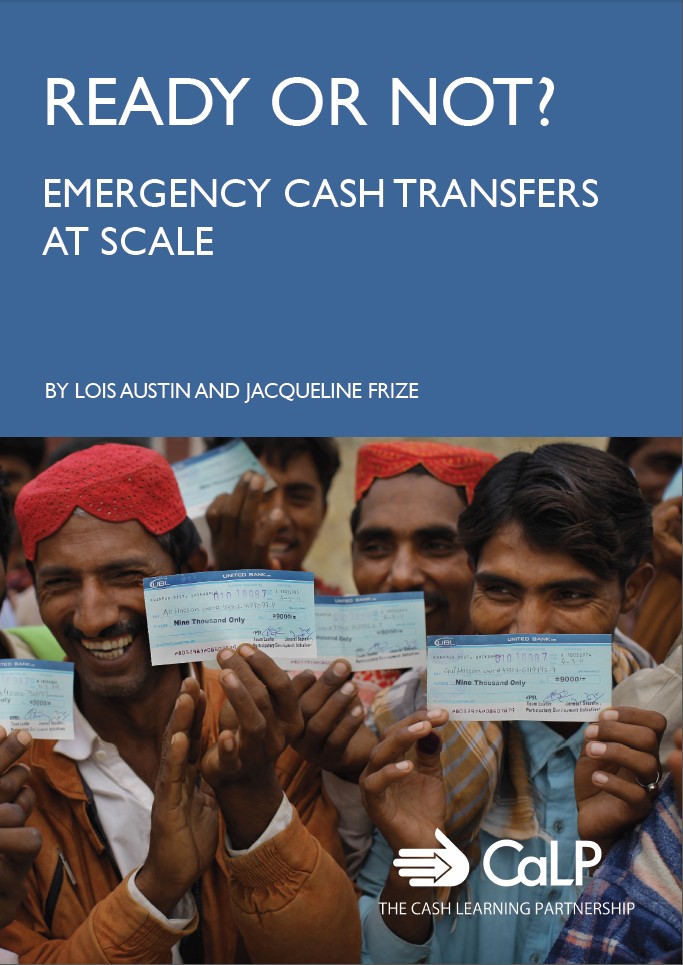
Ready Or Not? Emergency Cash Transfers at Scale
Whilst there is significant experience of implementing cash transfer programmes (CTP) in emergencies this has seldom been at a scale comparable to in-kind responses. A number of critical gaps and blockages standing in the way of of scaled up programming in the wake of a disaster have been identified through this study, with recommendations made as to how these might be addressed.
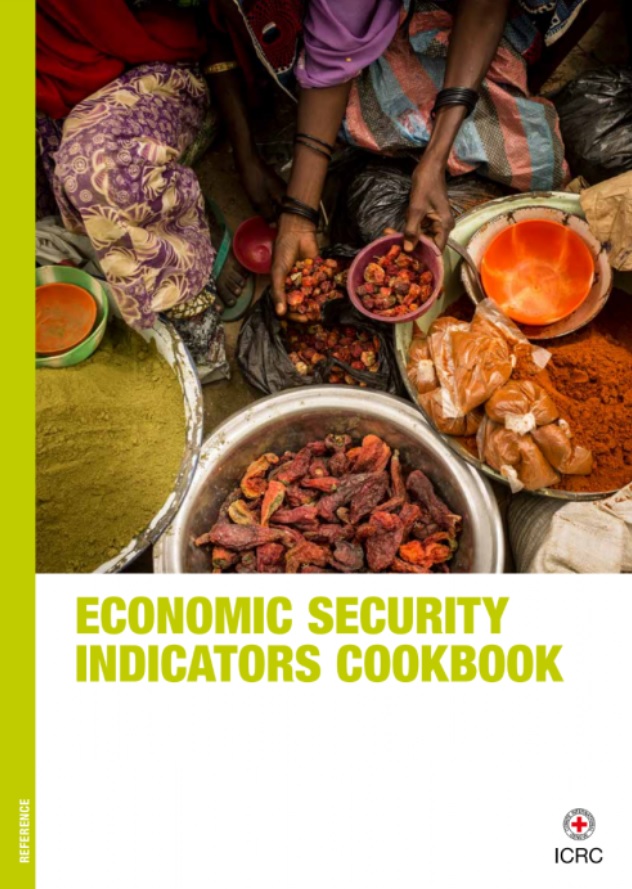
Recetario de indicadores sobre seguridad económica
El presente manual es un “recetario” de indicadores. No está pensado para leerse en su totalidad; el objetivo es ofrecer “recetas” para los indicadores utilizados en una intervención.
Presenta un resumen de cada uno de los indicadores requeridos y recomendados, además de constituir un anexo a los marcos de referencia de Seguridad económica para personas civiles y personas privadas de libertad.
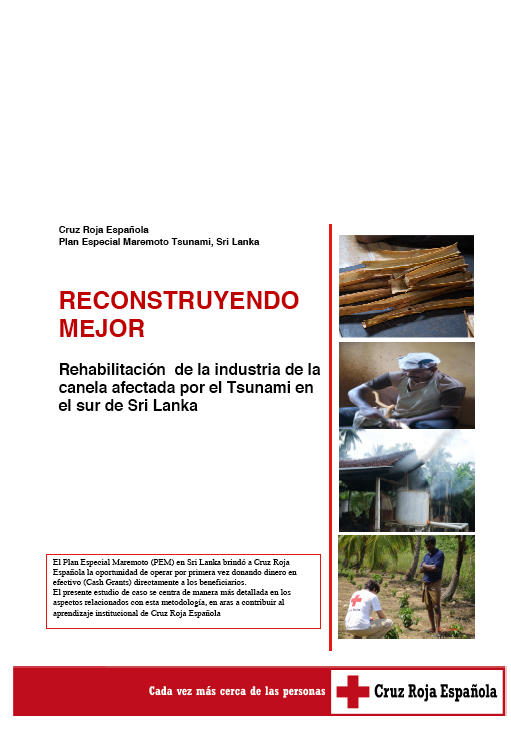
Reconstruyendo Mejor: Rehabilitación de la industria de la canela afectada por el Tsunami en el sur de Sri Lanka
El Plan Especial Maremoto (PEM) en Sri Lanka brindó a Cruz Roja Española la oportunidad de operar por primera vez donando dinero en efectivo (Cash Grants) directamente a los beneficiarios.
Reconstruyendo Mejor. Rehabilitación de la Industria de la Canela Afectada por el Tsunami en el Sur de Sri Lanka
El Plan Especial Maremoto (PEM) en Sri Lanka brindó a Cruz Roja Española la oportunidad de operar por primera vez donando dinero en efectivo (Cash Grants) directamente a los beneficiarios. El presente estudio de caso se centra en los aspectos relacionados con esta metodología.
Regenerating Rural & Agricultural Development
Participants from 49 countries attended this year’s Cracking the Nut 2016 to discuss “Regenerating Rural and Agricultural
Development.”The conference took at look at changes being made to “regenerate” rural and agricultural market development and financial inclusion in developing countries.
Review of the Food Security and Natural Resource Situation in Sudan
This literature review attempts to pool together information from actors working to ensure food security in the most food insecure and vulnerable areas across Sudan. It aims to provide the information needed for planning environmental friendly food security interventions, as a new strategy.
Rural Migration in Bolivia: the Impact of Climate Change, Economic Crisis and State Policy
This paper describes the impact of gradual environmental change on the livelihoods of people living in two very different areas of Bolivia: the Northern Potosí region, in the Andean highlands, and the municipality of San Julián, in the tropical eastern lowlands of the country.
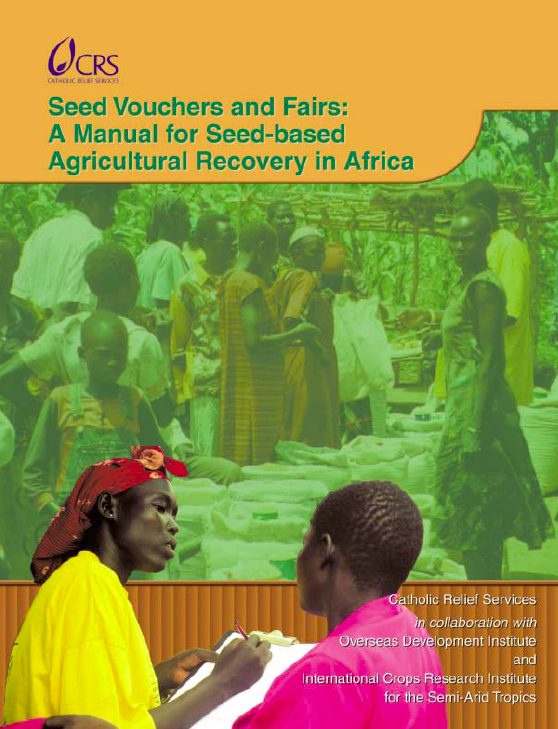
Seed Vouchers and Fairs: A Manual for Seed-based Agricultural Recovery in Africa
The manual provides an overview of seed systems and their components, and describes how to plan and implement the seed voucher/seed fair approach.
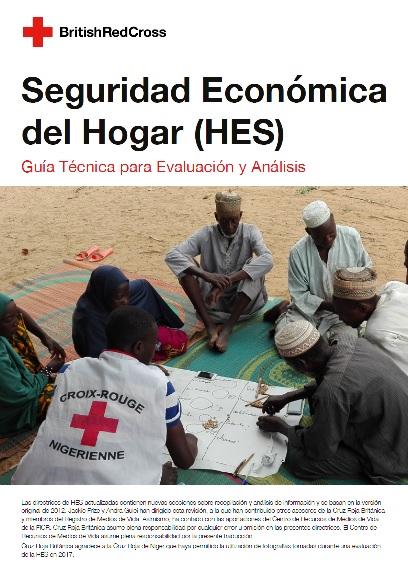
Seguridad Económica del Hogar (HES). Guía Técnica para Evaluación y Análisis, edición 2020.
Esta Guía Técnica, actualizada en 2020, describe el proceso de análisis y evaluación HES en 4 pasos para identificar la seguridad económica a nivel del hogar. La guía explica a través de estos 4 pasos, y una serie de sub-pasos, cómo realizar la recopilación de datos y el análisis que permita articular de manera clara las necesidades y riesgos para la seguridad alimentaria y los medios de vida de los hogares en un determinado contexto.
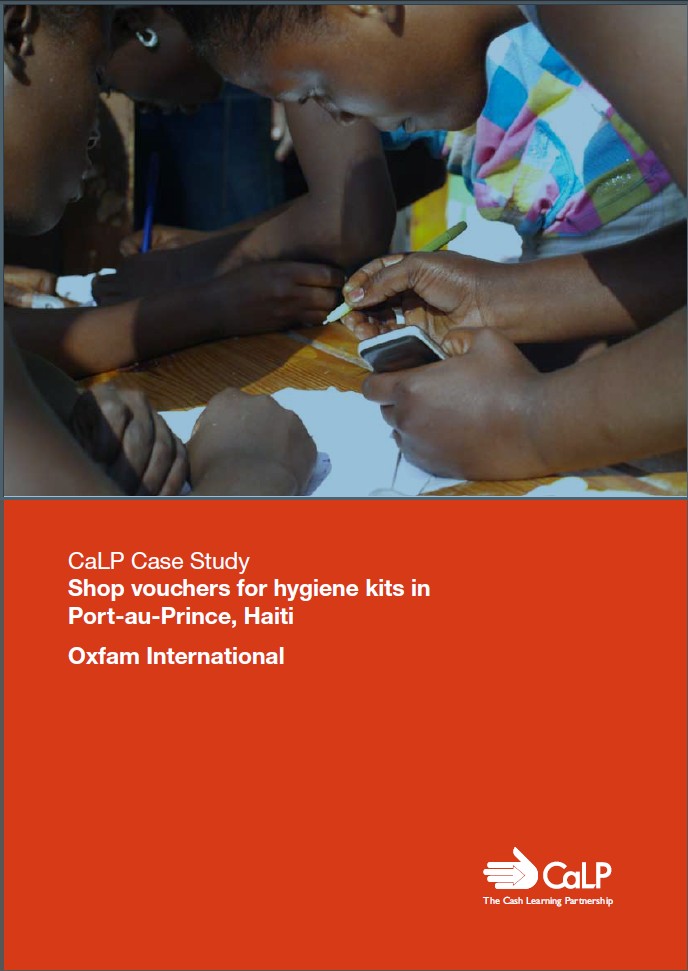
Shop Vouchers for Hygiene Kits in Port-au-Prince, Haiti (CaLP Case Study)
In the aftermath of the 2010 Haiti earthquake, Oxfam¿s Public Health Promotion team used a voucher programme to provide beneficiaries with essential hygiene items through local shops.
Síntesis del Foro en Línea: Grupos de Ahorro en América Latina
Del 28 de Febrero al 4 de Marzo de 2011, 15 organizaciones representando a Colombia, Ecuador, EEUU, El Salvador, Guatemala, Honduras, Perú, México, Nicaragua y la Republica Dominicana, participaron del Foro en Línea: Grupos de Ahorro en América Latina. El interés de la industria en las metodologías basadas en el ahorro ha centrado su atención en el continente Africano, debido a su expansión exitosa en dicha región. Los grupos de ahorro y crédito se han vuelto conocidos en gran parte por los éxitos que hemos visto en algunos países como Níger, Mali, Tanzania y Kenia. Sin embargo, en los últimos años, muchas organizaciones han empezado a adoptar y comprobar la eficacia de esta metodología en América Latina.
Sowing the seeds of good nutrition
This report aims to assess to what extent the global agenda on nutrition and agriculture is actually translating into action at country level, based on three country case studies conducted in Burkina Faso, Kenya and Peru.
Strengthening resilience to food and nutrition insecurity in the Sahel and West Africa
In the Sahel, as in the Horn of Africa, the food and nutritional status of men, women and children, who are threatened by multifaceted and recurrent crises, remains a major concern. Against this backdrop, strengthening the resilience of vulnerable households is an imperative, as reflected in the strategic frameworks of CILSS, IGAD and FAO.
STRIVE - Learning product #1
The STRIVE project, implemented by the Turkish Red Crescent, aims to improve livelihood opportunities and foster economic resilience among migrants and vulnerable host communities affected by the 2023 earthquakes across seven provinces in Türkiye. The initiative combines labour market analysis, employer engagement, and job readiness support, with a strong focus on facilitating access to formal employment. This document specifically examines employer incentives that promote the formal hiring of migrants, highlighting mechanisms that reduce costs and risks, enhance productivity and retention, and simplify administrative processes for employers.
This learning product has been developed under the STRIVE Project, a collaborative initiative implemented through a tripartite partnership between the British Red Cross, the International Federation of Red Cross and Red Crescent Societies, and the Turkish Red Crescent. The IFRC Türkiye Delegation leads the learning component, providing technical guidance and coordination among stakeholders, with support from the IFRC Livelihoods Resource Center. Meanwhile, the British Red Cross manages project funding and leads policy advocacy efforts, ensuring technical support across all components. This structure enables a coordinated and strategic approach to strengthening livelihoods interventions in Türkiye.
Ficheros: DOWNLOAD |
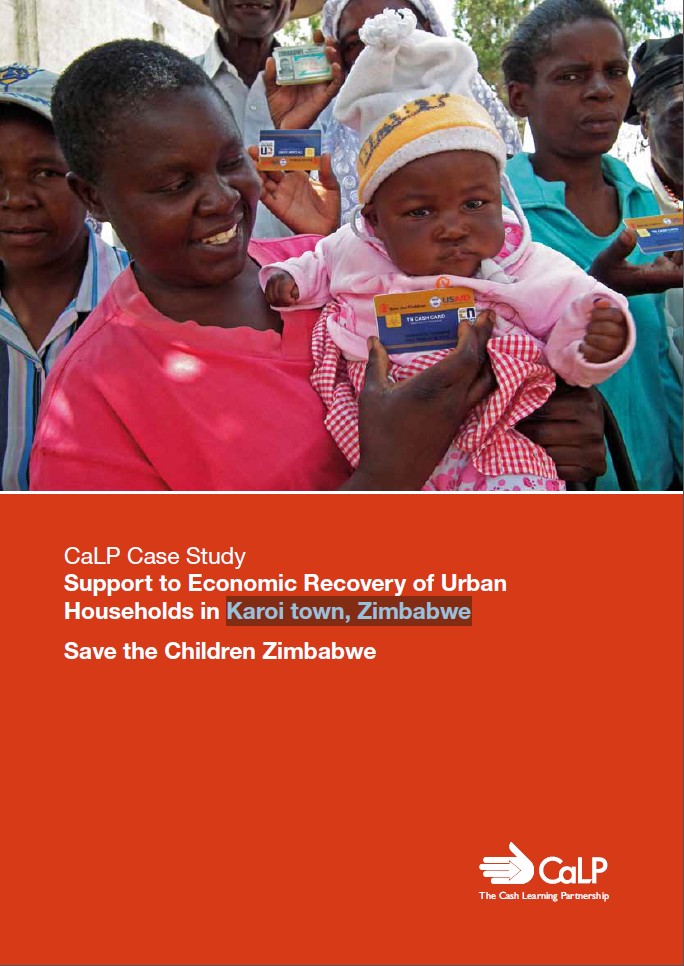
Support to Economic Recovery of Urban Households in Karoi town, Zimbabwe (CaLP Case Study)
In the urban area of Karoi, Zimbabwe, Save the Children combined cash for work with livelihoods support to meet the immediate food needs and support the economic recovery of poor families.
Systeme Failure? Revisiting the Problems of timely response to crises in the horn of Africa
This Network Paper examines how one project tried to ask the same questions again, its successes and failures and its attempt at a fresh explanation of the fact that so many apparently simple problems have proved so intractable.
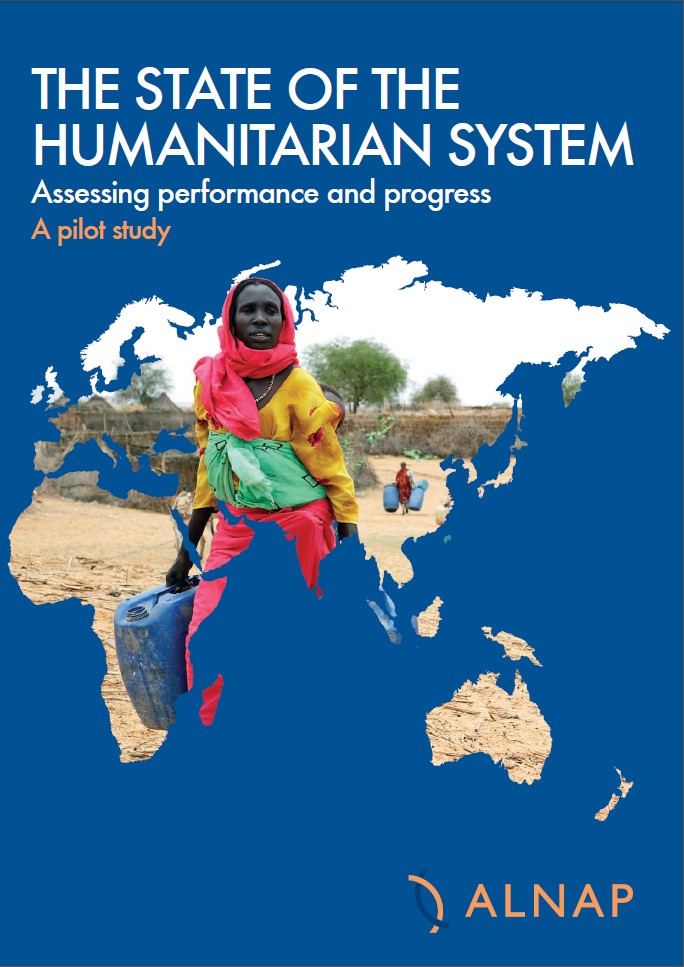
The State of the Humanitarian System: Assessing Performance and Progress
For the first time the size, shape, resources and overall performance of the international humanitarian system has been assessed and synthesized into a single study. Through a systematic collection of data on the funding, resources, actors, and global scope of the international humanitarian community, this work, published in 2010, brings new understanding those within and beyond the system.

