
Bibliothèque virtuelle

Gender and Access to Land and Natural Resources in Mali and Niger
Access to land and natural resources in Mali and Niger is a prerequisite for secure livelihoods for the vast majority of people. This paper published by IIED outlines research carried out in Mali and Niger on how women's access to land and natural resources is changing.

Gender and diversity in food security and livelihoods programming. Guidance note
Gender- and diversity-sensitive food security programming lead to more equitable, effective and efficient outcomes for all members of affected communities.

Global Hunger Index 2011
The Global Hunger Index (GHI) is designed to comprehensively measure and track hunger globally and by country and region. Calculated each year by the International Food Policy Research Institute (IFPRI), the GHI highlights successes and failures in hunger eduction and provides insights into the drivers of hunger.

Global Risks 2012, An Iniciative of the risk response network.
An important aim of Global Risks 2012 is to help decision-makers evaluate complex risk events and to respond proactively in times of crisis.
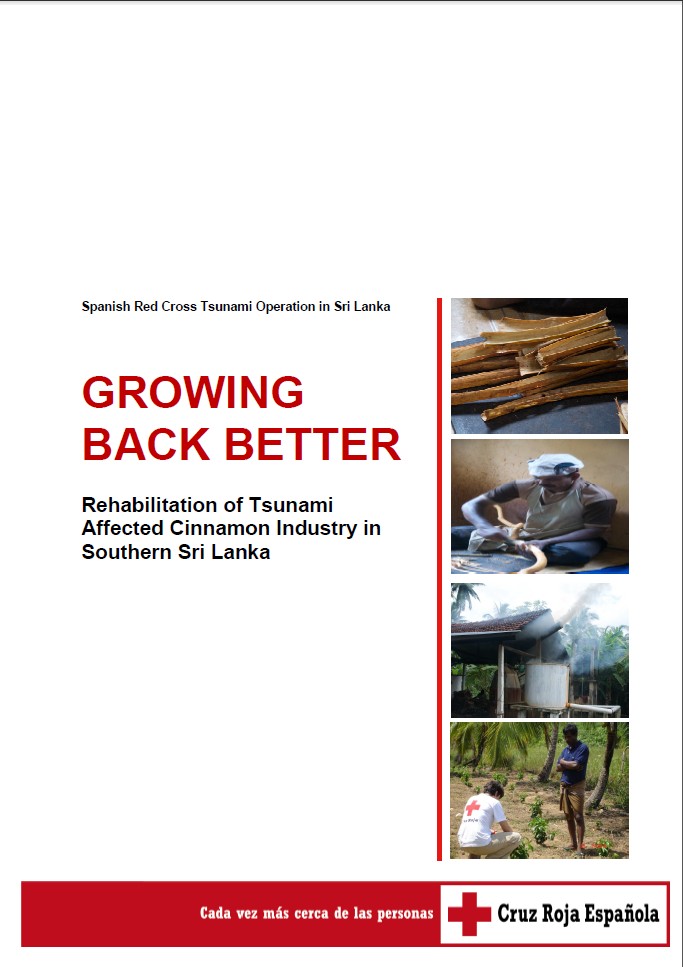
Growing Back Better: Rehabilitation of Tsunami Affected Cinnamon Industry in Southern Sri Lanka
This case study looks at the Spanish Red Cross¿ intervention in post Tsunami Sri Lanka which aimed at supporting smallholder cinnamon growers, whose fields had been destroyed by the Tsunami, to recover and improve their cinnamon production as ...

Guia de Medios de Vida - Cruz Roja Argentina
This guide for the implementation of Livelihood projects proposes to the Argentine RC branches and the communities a practical orientation in the different phases of the process, from identification to implementation, considering the particular characteristics of branch.
Fichiers: Guía de Medios de Vida |
Guidance Note on Early Recovery
The Cluster Working Group on Earl Recovery (CWGER) developed this guide to provide greater clarity and guidance on what early recovery means and on how to undertake early recovery activities effectively.

Guide for Protection in Cash-based Interventions
This guide identifies minimum necessary information and key resources needed to help humanitarian practitioners ensure that protection risks and benefits are considered and monitored throughout the CBI program cycle, using a community-based approach and participatory methods as much as possible.

Guide on Livelihoods & Economic Recovery in Crisis Situations
The purpose of the Guide on Livelihoods and Economic Recovery Programming in Crisis and Post-Crisis Situations is to connect UNDP Country Offices and their partners with global knowledge and experience on this subject.

Guide to the 2010 HAP Standard
This Guide is a companion to the 2010 HAP Standard in Accountability and Quality Management. It has been developed to replace the interim Guide to the 2010 Standard and in response to the need and demand for a more detailed ...

Haiti - Unconditional Cash Transfers: Lessons Learnt
The challenges of responding to the catastrophic earthquake in Haiti were huge and varied, prompting agencies to think and act creatively. Christian Aid¿s partners were at the forefront of the humanitarian response, distributing cash to people affected by the disaster two weeks after the earthquake struck the country.

Hambre de Saber, Saber de Hambre. Logros y Lecciones Aprendidas
Para contribuir con la gestión de ese conocimiento se pone a disposición la compilación de revistas “Hambre de Saber, Saber de Hambre” en su edición especial de cierre de los Programas Especiales para la Seguridad Alimentaria (PESA) de Centroamérica, que recoge los logros y lecciones aprendidas de los PESA en el período 2000-2014 en El Salvador, Guatemala, Honduras y Nicaragua.

How to foster resilience via social-entrepreneurship: The entrepreneurial journey of a social organisation
National Societies of the Red Cross and Red Crescent are uniquely positioned to catalyse local development and fortify community resilience. By nurturing a culture of social entrepreneurship, NS can harness local talents, resources, and aspirations to effect positive change from within. This necessitates concerted efforts to ensure the resilience of NS at the organisational level, enabling them to deliver services that are pertinent, high-quality, and accessible. Report developed by the French Red Cross, the Austrian Red Cross, and the International Federation of the Red Cross and the Red Crescent. June 2024
HPG Policy Brief 49: The relevance of "resilience"?
he Humanitarian Policy Group (HPG) at the Overseas Development Institute (ODI) made resilience a core theme in its 2011¿2013 research programme, and initial work has focused on its role in shaping the organisation of international aid. This Policy Brief presents the understanding gained in the course of this research.
Humanitarian Action in Drought Related Emergencies
This ALNAP’s lessons paper ncludes 17 lessons about humanitarian action in drought related emergencies. The paper dentifies 17 key lessons for humanitarian agencies responding to droughts. Featured are topics such as early warning, targeting, working with government, food aid, water interventions and nutrition.
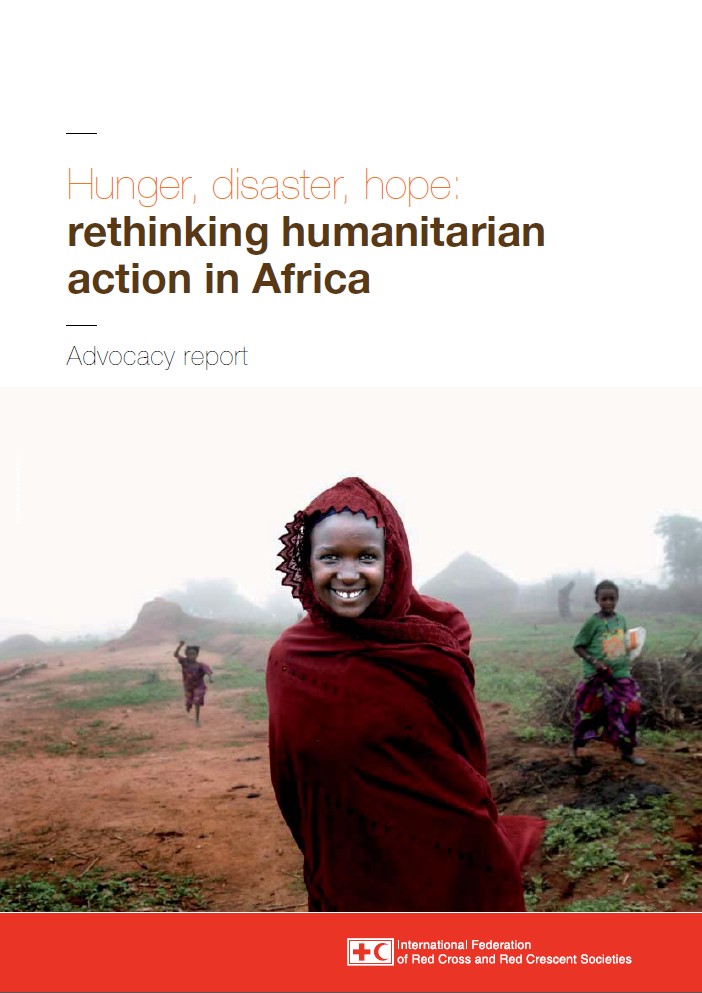
Hunger, Disaster, Hope: Rethinking Humanitarian Action in Africa
Over-reliance on reactive disaster response will contribute less and less to lasting solutions as aid organizations require more and more funding to meet the basic needs of a growing number of disaster-affected people. This report takes a critical look at how humanitarian support is implemented in Africa; it argues for ...
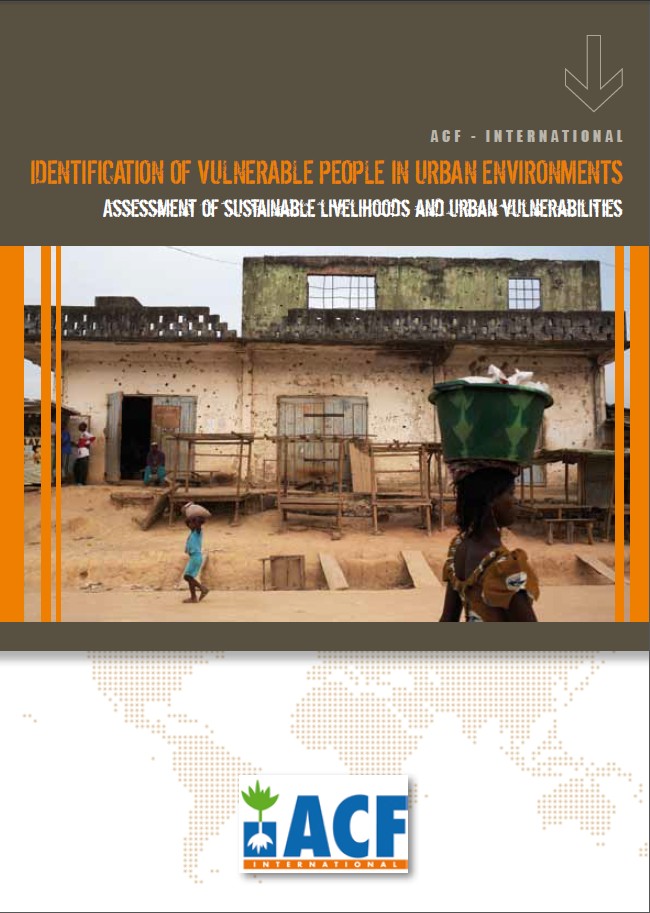
Identification of Vulnerable People in Urban Environments. Assessment of Sustainable Livelihoods and Urban Vulnerabilities.
This methodological guide is designed for use by field practitioners.
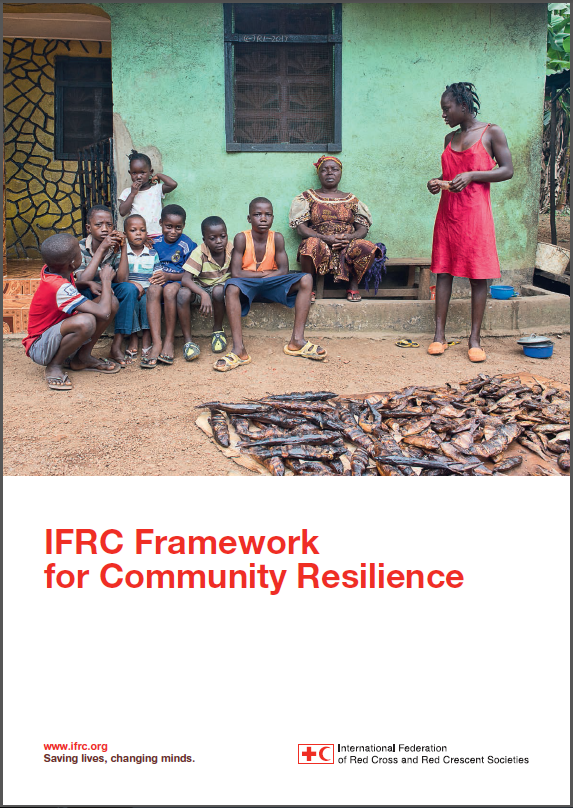
IFRC Framework for Community Resilience
The original Framework for Community Safety and Resilience published in 2008 confirmed that the concepts identified were not new and did not demand new areas of work for the IFRC.
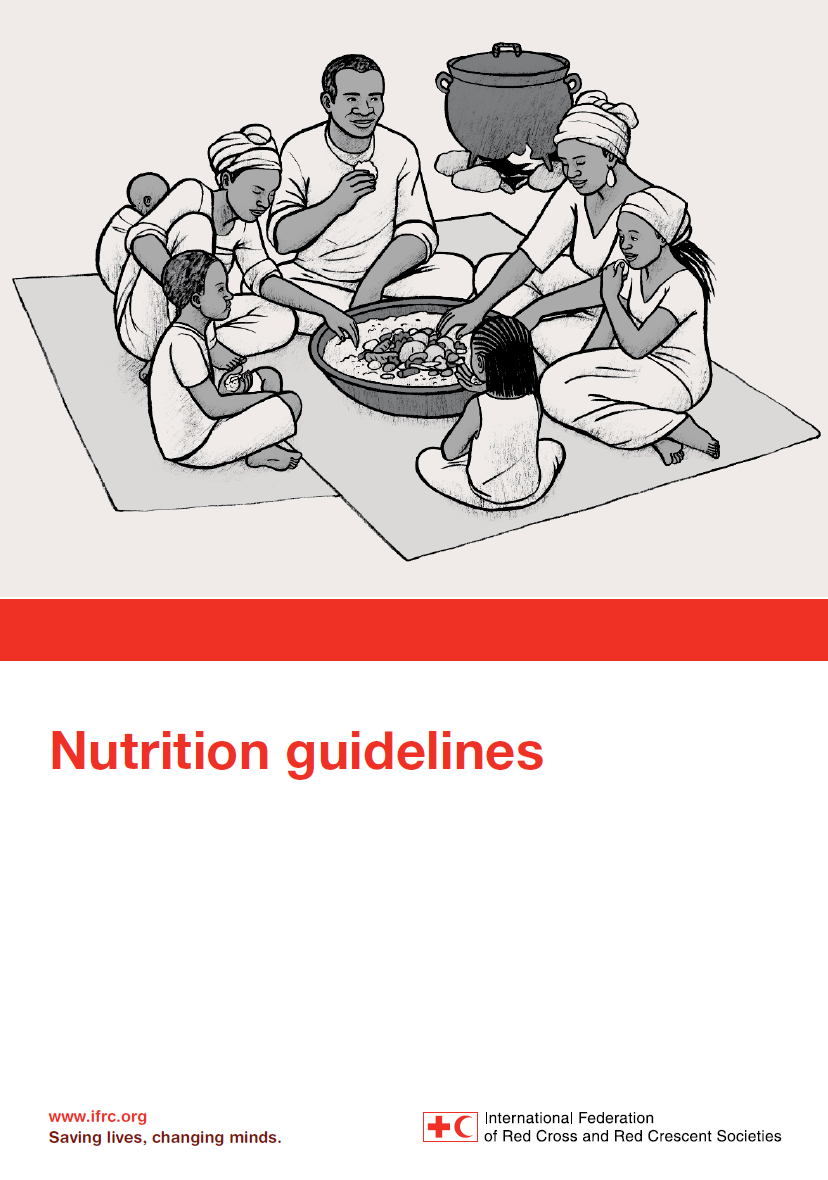
IFRC Nutrition Guidelines
The guidelines are to be used for awareness-raising, capacity-building and integration into National Society health, nutrition and food security programming.
Where a National Society is interested in addressing malnutrition as a core objective, it is encouraged to participate in existing national planning and policy dialogues on the issue. Edition 2013
Fichiers: ENG |
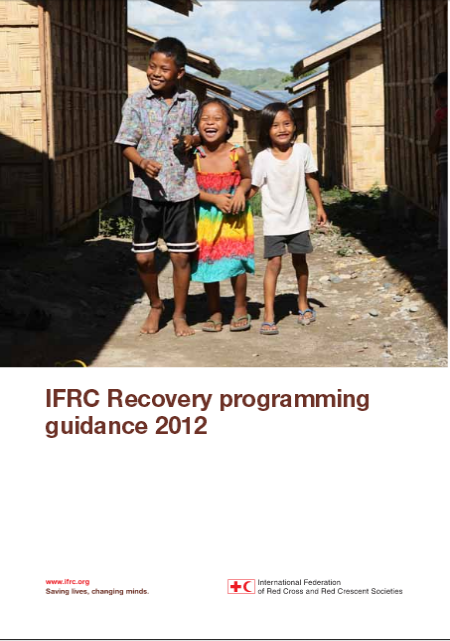
IFRC Recovery programming guidance 2012
These guidelines help to describe the main elements of a recovery programming approach required to deliver high-quality, timely and accountable humanitarian assistance.

