
Bibliothèque virtuelle
Implementing Cash-Based Interventions: A Guideline for Aid Workers
This Action Against Hunger report is a compilation of case studies and lessons learned from cash-based interventions by ACF and other NGOs. Presented as a guide to implementing such interventions, this detailed document covers both theory and practice.
Integrating Disaster Risk Reduction and Adaptation into Rural Livelihood Programming
Oxfam developed this guide to improve the understanding on how climate change impacts livelihoods in different ecosystems. It is also a tool to learn early on from regional and global experiences and to understand what has worked well and ...
Investing in Solutions: A Practical Guide for the Use of Microfinance in UNHCR operations
The practical guide builds upon the UNHCR/ILO Introduction to Microfinance in Conflict-Affected Communities (2002) and Lessons Learned from UNHCR¿s Experiences with Microfinance (June 2010), as well as evolving practices in the field of microfinance.
L'état du système humanitaire : évaluer les performances et les progrès
Pour la première fois, la taille, la forme, les ressources et la performance générale du système humanitaire international ont été évaluées et intégrées dans une seule étude. Sur la base de la collecte systématique de données en matière de financement, de ressources, d'acteurs et de portée mondiale de la communauté humanitaire internationale, le rapport de L'État du système humanitaire, février 2010, offre une nouvelle approche du système et en dehors de celui-ci.
La norme HAP 2010 de redevabilité humanitaire et de gestion de la qualité
La norme HAP 2010 de redevabilité humanitaire et de gestion de la qualité permet aux organisations qui apportent une aide ou qui agissent au nom des personnes concernées par les désastres, les conflits, la pauvreté ou autres crises de de concevoir, mettre en œuvre, évaluer, améliorer et reconnaître des programmes redevables.
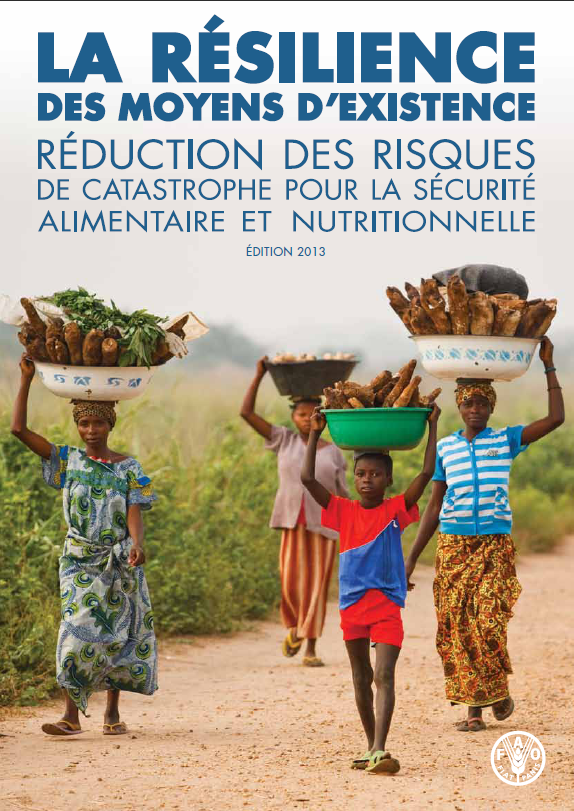
La Résilience des Moyens d’Existence. Réduction des Risques de Catastrophe pour la Sécurité Alimentaire et Nutritionnelle
La réduction des risques de catastrophe a pour effet de protéger les investissements consentis dans l’agriculture, l’élevage, les pêches/l’aquaculture et la forêt au service du développement, ce qui aide les plus vulnérables à accéder à ...
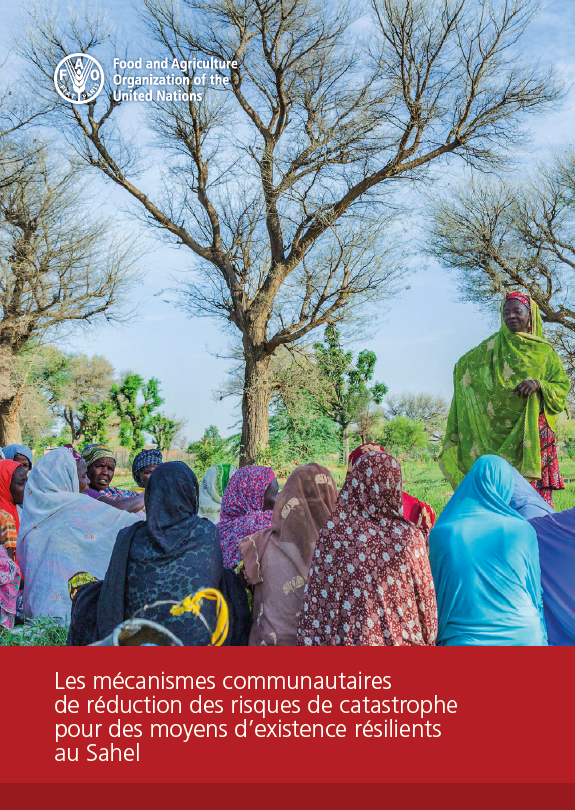
Les mécanismes communautaires de réduction des risques de catastrophe pour des moyens d’existence résilients au Sahel
Pour faire face aux chocs climatiques récurrents, les mécanismes locaux de Réduction des Risques de Catastrophe (RRC) constituent une première « ligne de front » en termes de prévention, de préparation et de réponse précoce.
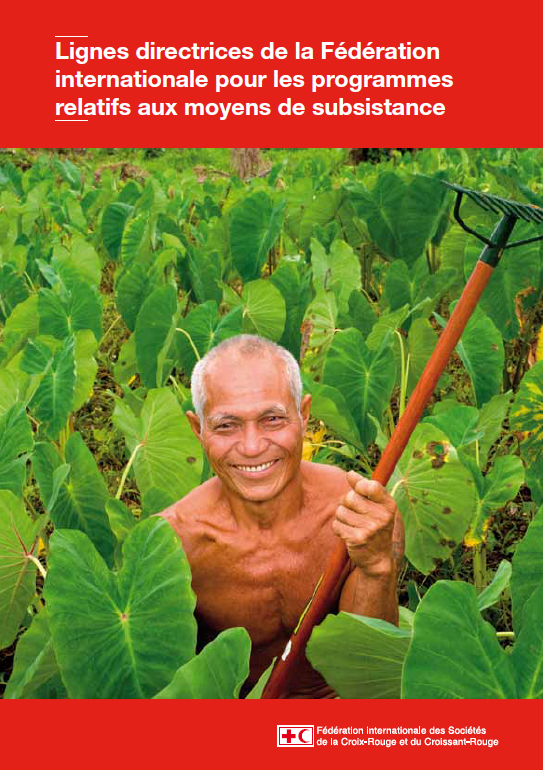
Lignes Directrices de la Fédération Internationale pour les Programmes Relatifs aux Moyens d'Existence
Les lignes directrices sont un guide pratique destiné aux chefs de programmes des Sociétés nationales et au personnel de terrain désirant mettre sur pied ou améliorer des projets relatifs aux moyens d’existence dans le cadre d’un programme de relèvement initial ou de développement. Elles s’appuie ...
Lignes directrices de la FICR pour l’évaluation des situations d’urgence
L’évaluation est un élément essentiel du processus de planification des programmes. Ces lignes directrices de la FICR offrent des conseils sur l’organisation des évaluations des situations d’urgence.

Lignes Directrices sur les Programmes de Transferts Monétaires
Fort du large éventail d'expériences de transferts monétaires au sein du Mouvement de la Croix-Rouge et du Croissant-Rouge et dans le secteur humanitaire, ces lignes directrices fournissent un soutien pratique, étape par étape pour la conception et la mise en œuvre des programmes de transferts mo ...
Livelihoods at the limit. Food Security in a changing world. Evidence from the consolidated Household Economy Analysis database
This paper provides an initial opportunity to delve into the consolidated Household Economy Analysis (HEA) and Cost of the Diet (CoD) databases in an attempt to find common tendencies and patterns that tell us about food security, especially for poorer households in rural and, in a more limited way, urban settings.
Local Economic Recovery in Post-Conflict Guidelines
Guidelines to provide criteria and instruments in planning and implementing post-conflict employment promotion based on the local economic recovery (LER) approach: an area-based approach to economic recovery for job creation, income generation, and follow up action.
Manual del Usuario de la Herramienta CRiSTAL (Versión 5)
CRiSTAL es una herramienta de planificación de proyectos que ayuda a los usuarios a diseñar actividades que promuevan la adaptación climática (es decir, adaptación a la variabilidad climática y al cambio climático) a nivel comunitario.
Manuel des Initiatives Microéconomiques
Ce manuel est conçu pour mettre à profit l’expérience acquise et les meilleures pratiques constatées lors de la mise en oeuvre de MEI et proposer des outils pour gérer leurs difficultés intrinsèques. Il s’appuie sur l’expérience que le CICR a acquise dans plus d’une d ...
MANUEL ECOSEC - Évaluer la Sécurité Économique
Ce manuel guide les lecteurs tout au long de la première des quatre étapes du cycle de projet du CICR ; il décrit précisément le processus consistant à évaluer la sécurité économique. Il complète le module de formation 1 d’EcoSec institué « Évaluation initiale de la sécurité économique ».
Market Analysis in Emergencies
This study represents the first phase of a broader research to understand how to strengthen interventions by using market analysis and what is needed to conduct market analysis well.
Maximising the Nutritional Impact of Food Security and Livelihoods Interventions
This manual aims to provide practical guidance to field workers in order to maximise the nutritional impact of food security & livelihoods (FSL) interventions. This requires the systematic use of a "nutrition lens" at each step of the project cycle and a close collaboration between sectors.
Mercado Inclusivo para Pobres. Experiencia del Cáucaso Sur
Este documento trata de ser complementario al documento publicado por ACH en 2008 "El Mercado para los pobres", que abordaba el marco teórico y conceptual del enfoque M4P.
Metodologías para la Evaluación del Impacto Socioeconómico de los Desastres
Las metodologías recogidas en este documento -basadas en los conceptos y criterios del Manual de la CEPAL- se utilizan actualmente en el Centro Nacional de Prevención de Desastres (CENAPRED) para la evaluación del impacto de los ...
Minimum Requirements for Market Analysis in Emergencies
The Minimum Requirements for market analysis in emergencies builds upon work already undertaken relating both to market analysis (CaLP research `Markets in Emergencies') and standard setting and answers this question: What is the minimum market analysis required at various stages of the project cycle.
Minimum standard commitments to gender and diversity in emergency programming
This guidance presents Red Cross Red Crescent staff and volunteers with a set of Minimum Standard Commitments to gender and diversity in emergency programming. They are designed to assist in the analysis and response to the distinct needs of females and males of all ages and backgrounds.
Minimum Standards for Local Climate Smart Disaster Risk Reduction: Enabling Integration of Local Capacities into National Climate Adaptation Strategies
This policy brief explores how local disaster risk reduction (DRR) can go beyond business-as-usual to become "climate smart", and in the process make a significant contribution to adapting to climate change.
New Technologies in Cash Transfer Programming and Humanitarian Assistance
This study was commissioned by the Cash Learning Partnership (CaLP) in 2011, to review the current use of new technology in humanitarian cash and voucher programming and the broader implications for humanitarian practice.
Normes et directives pour l’aide d’urgence à l’élevage (LEGS) Deuxième édition
Livestock Emergency Guidelines and Standards (LEGS) is a set of international guidelines and standards for designing, implementing, and evaluating livestock interventions to help people affected by humanitarian crises.
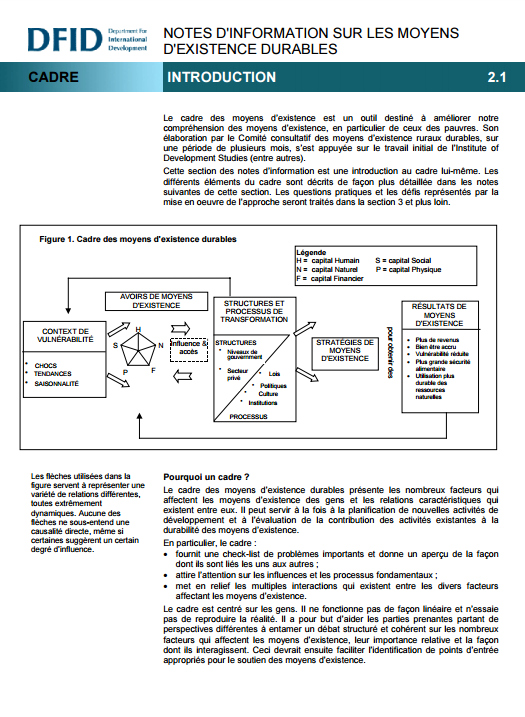
Notes d'Information sur les Moyens d'Existence Durables.
Le concept et cadre de l'approche des moyens d'existence durables (SLA pour son sigle en anglais) adopté par le DFID (Department for International Development) à la fin des années 1990 (fruit du travail de l'IDS, l'IIDD, Oxfam et d'autres) ont été adaptés par différentes organisations pour convenir ...
Optimizing Cash-based Interventions for Protection from Gender-based Violence: Protocol for GBV Caseworkers
From 2016 to 2018, the Women’s Refugee Commission (WRC) undertook a project to build humanitarian actors’ capacity to mainstream protection in cash-based interventions (CBIs) and to utilize CBIs for protection outcomes, specifically protection from gender-based violence (GBV).
Outil d’Évaluation Rapide de la sécurité alimentaire et des moyens d’existences pour les premières 48 heures
Le but de cet outil est d’obtenir une compréhension rapide de la situation de la sécurité alimentaire et des moyens d’existences dans les premiers jours qui suivent un sinistre à installation rapide.
Planification de projets/programmes, Manuel d'orientation
Ce manuel de la FICR vise à placer l'utilisateur de la planification de projets/programmes dans un environnement de la Croix-Rouge et du Croissant-Rouge. Cet ouvrage décrit les différentes étapes de la planification d'un "cycle de projet/programme" dans le contexte d'une gestion basée sur les résultats (RBM).
Fichiers: PPP-Guidance-Manual - English | PPP- Manual - Guia - ESP | PPP Manual 2010 RU | PPP Manual 2010 AR |

Planning Guide: Migrant Women and Livelihoods
As a contribution to improving the living conditions of migrant women, UNDP, in collaboration with IOM and ILO, has created this Guide to promote the development of capacities aimed at mainstreaming gender in strategies and projects related to access and promotion of the livelihoods of migrant women and, making specific adjustments, of refugee and displaced women. This document is only available in Spanish.
Policy Research Working Paper 5851. Livelihoods and the Allocation of Emergency Assistance after the Haiti Earthquake
In this paper, a unique post-earthquake survey designed to provide a rapid assessment of food insecurity in Haiti is used in order to see how adequately emergency assistance programs have been allocated.
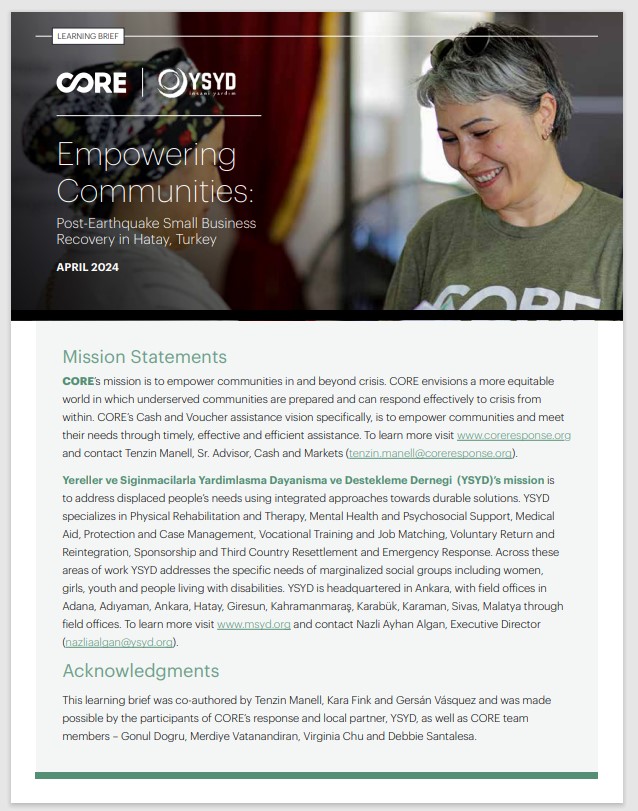
Post-earthquake small business recovery in Hatay, Turkey
On February 6, 2023, a 7.7 magnitude earthquake devastated Turkey and Syria, followed by numerous aftershocks. CORE and its partners implemented one of the first early recovery initiatives delivering business grants and training to small businesses in Hatay Province in Turkey. This learning brief focuses on lessons from this recovery support to 58 business owners in Hassa and includes recommendations for scaling in this context.
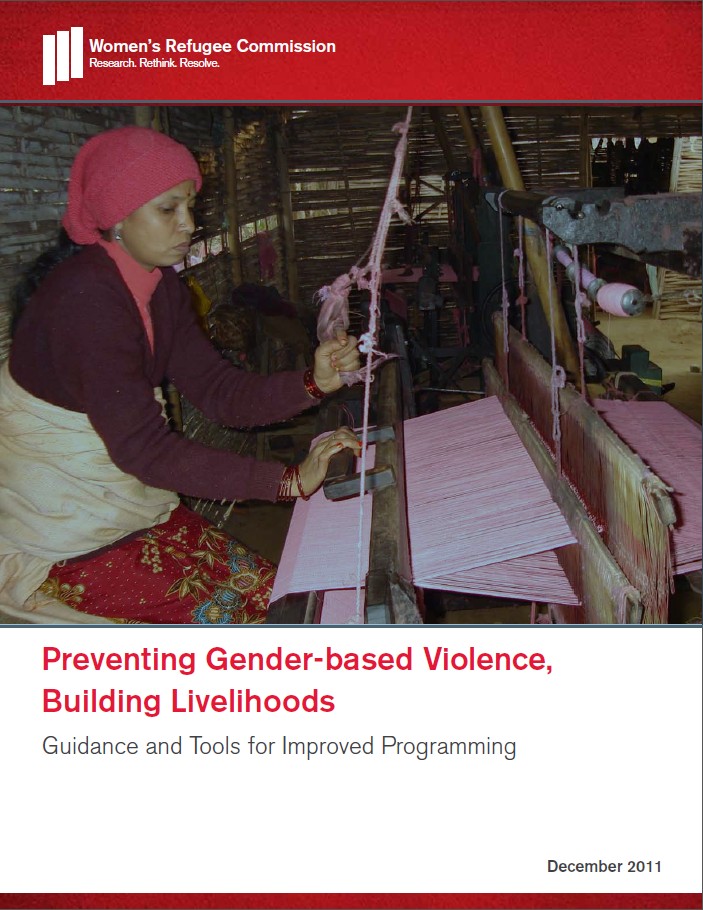
Preventing Gender-based Violence, Building Livelihoods: Guidance and Tools for Improved Programming
Women displaced by conflict or natural disaster adopt new strategies to provide for themselves and their families. These new strategies often place them at risk of gender-based violence.
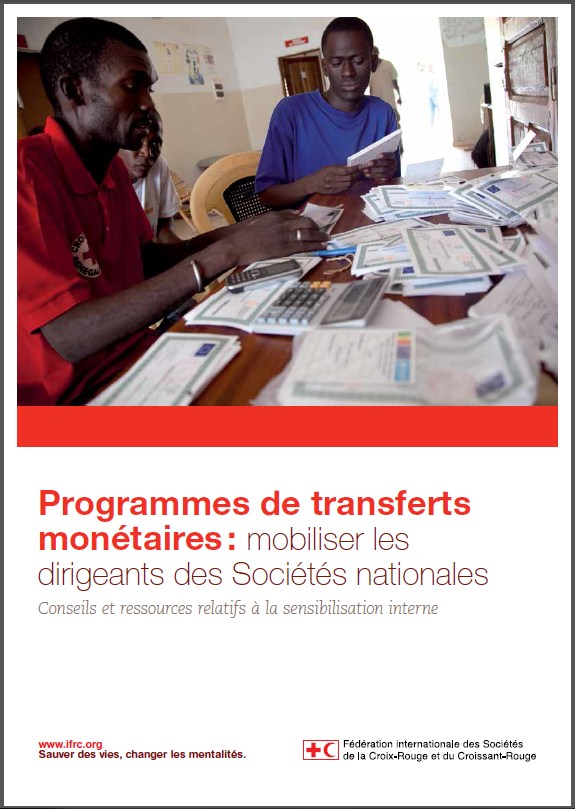
Programmes de Transferts Monétaires: mobiliser les dirigeants des Sociétés Nationales
Ce guide contient les ressources nécessaires pour organiser, à l’intention des hauts responsables d’une Société nationale, une séance de sensibilisation à la nature des programmes de transferts monétaires ainsi qu’aux défis et ...
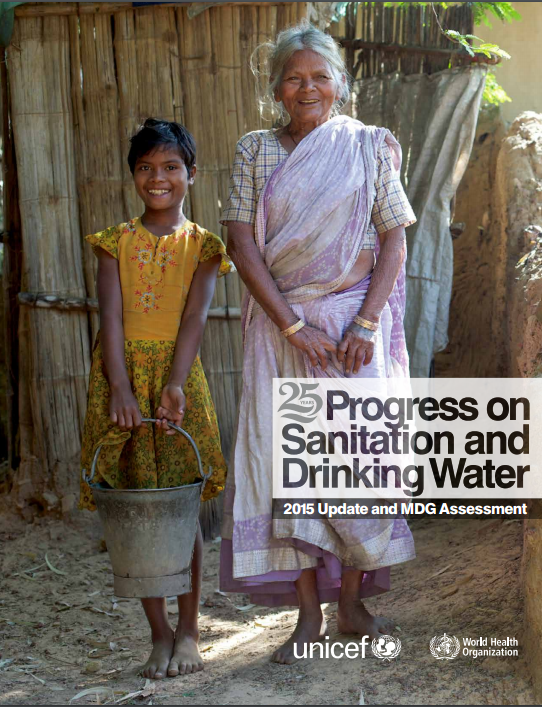
Progress on Sanitation and Drinking Water: 2015 Update
Since the adoption of the Millennium Development Goals, the WHO/UNICEF Joint Monitoring Programme for Water Supply and Sanitation has reported on progress towards achieving Target 7c: reducing by half the proportion of the proportion of people without sustainable access to safe drinking water and basic sanitation.
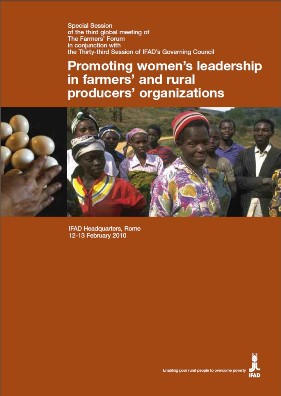
Promoting Women's Leadership in Farmers' and Rural Producers' Organizations
The Special Session on Promoting Women's Leadership in Farmers' and Rural Producers' Organizations was held on 12 and 13 February 2010, prior to the meeting of the Farmers' Forum and IFAD's Governing Council.
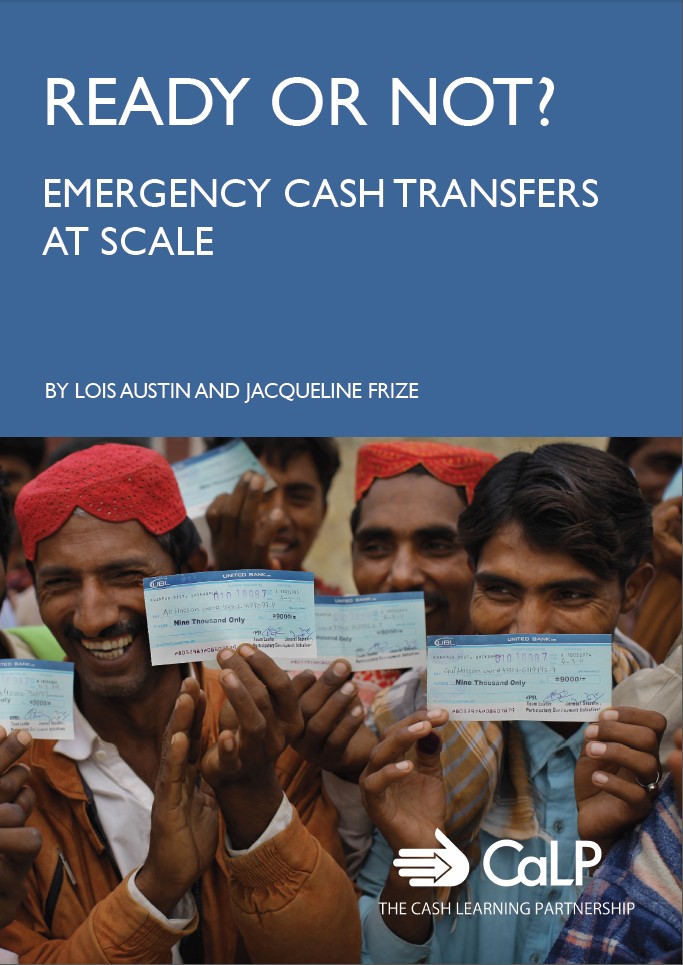
Ready Or Not? Emergency Cash Transfers at Scale
Whilst there is significant experience of implementing cash transfer programmes (CTP) in emergencies this has seldom been at a scale comparable to in-kind responses. A number of critical gaps and blockages standing in the way of of scaled up programming in the wake of a disaster have been identified through this study, with recommendations made as to how these might be addressed.
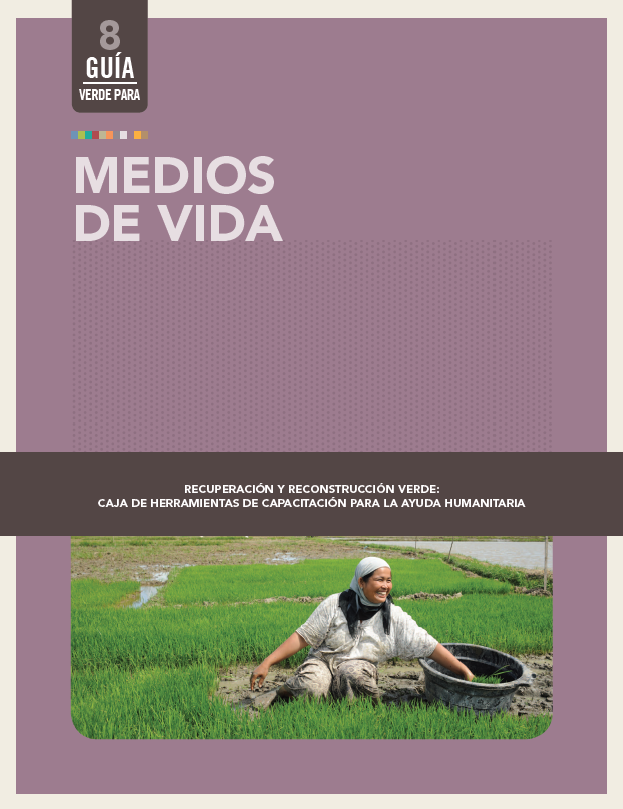
Reconstruction et relance vertes : Boîte à outils de formation pour l'aide humanitaire
La boîte à outils de reconstruction et relance vertes (GRRT) est un programme de formation conçu pour renforcer la connaissance et la sensibilité aux approches de réponse aux catastrophes environnementalement responsables.
Regenerating Rural & Agricultural Development
Participants from 49 countries attended this year’s Cracking the Nut 2016 to discuss “Regenerating Rural and Agricultural
Development.”The conference took at look at changes being made to “regenerate” rural and agricultural market development and financial inclusion in developing countries.
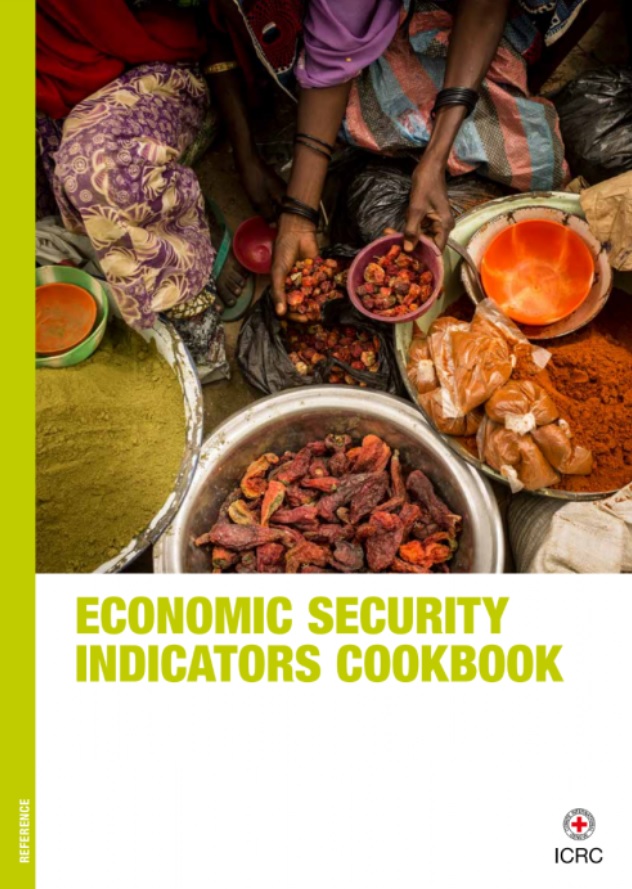
Répertoire des indicateurs de la sécurité économique
Le présent manuel est pensé comme un « répertoire » d’indicateurs. Il n’est pas conçu pour être lu en intégralité, mais vise plutôt à fournir des « recettes » concernant les indicateurs à utiliser pour une intervention donnée. Le manuel offre un aperçu de chacun des indicateurs recommandés pour évaluer l’impact des programmes de sécurité économique sur le terrain. Il inclut des indicateurs qu’il convient d’utiliser pour les programmes ciblant la population générale, et d’autres conçus pour les programmes ciblant les personnes privées de liberté.
Report submitted by the special rapporteur on the Right to Food
In the present report, submitted to the Human Rights Council in accordance with its resolution 22/9, the Special Rapporteur on the right to food draws the conclusions from his mandate, showing the connections between his various contributions.
Review of the Food Security and Natural Resource Situation in Sudan
This literature review attempts to pool together information from actors working to ensure food security in the most food insecure and vulnerable areas across Sudan. It aims to provide the information needed for planning environmental friendly food security interventions, as a new strategy.
Revue des bonnes pratiques 11: Programme de transfert monétaire dans les situations d’urgence
La grande majorité de l’aide humanitaire internationale est fournie en nature, sous forme de denrées alimentaires, de semences, d’outils, de médicaments, de matériaux servant à la construction d’abris et d’équipements ménagers.
Rural Migration in Bolivia: the Impact of Climate Change, Economic Crisis and State Policy
This paper describes the impact of gradual environmental change on the livelihoods of people living in two very different areas of Bolivia: the Northern Potosí region, in the Andean highlands, and the municipality of San Julián, in the tropical eastern lowlands of the country.
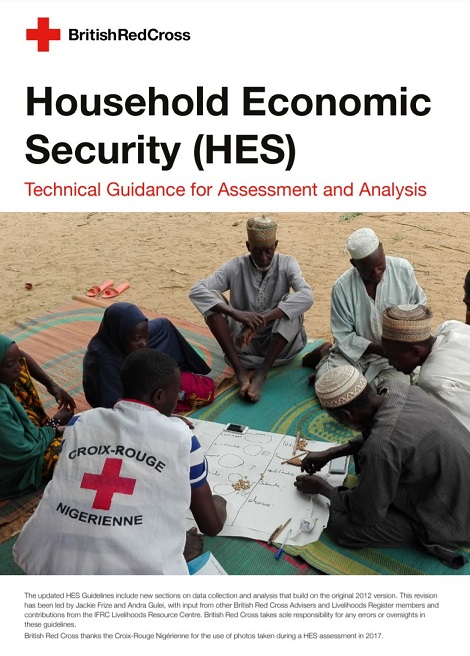
Sécurité économique des ménages (HES). Guide technique pour l'évaluation et l'analyse, édition 2020.
Ce guide décrit les quatre étapes HES de la procédure d'évaluation et d'analyse utilisées pour identifier la sécurité économique des ménages. Les utilisateurs sont guidés au cours des étapes de collecte et d'analyse des données d'évaluation à l'aide d'une série de sous-étapes déterminant le niveau de sécurité alimentaire des ménages, leurs besoins fondamentaux, ainsi que les risques les menaçant. La méthodologie peut être appliquée aussi bien dans des environnements de développement que de crise.
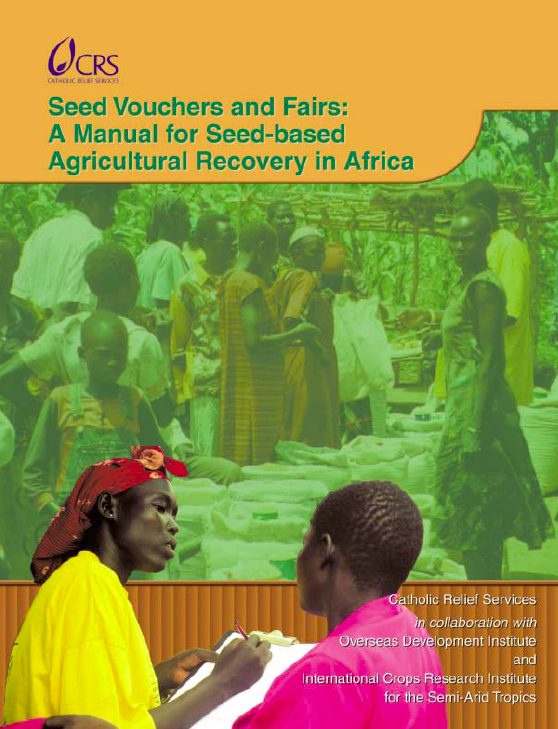
Seed Vouchers and Fairs: A Manual for Seed-based Agricultural Recovery in Africa
The manual provides an overview of seed systems and their components, and describes how to plan and implement the seed voucher/seed fair approach.
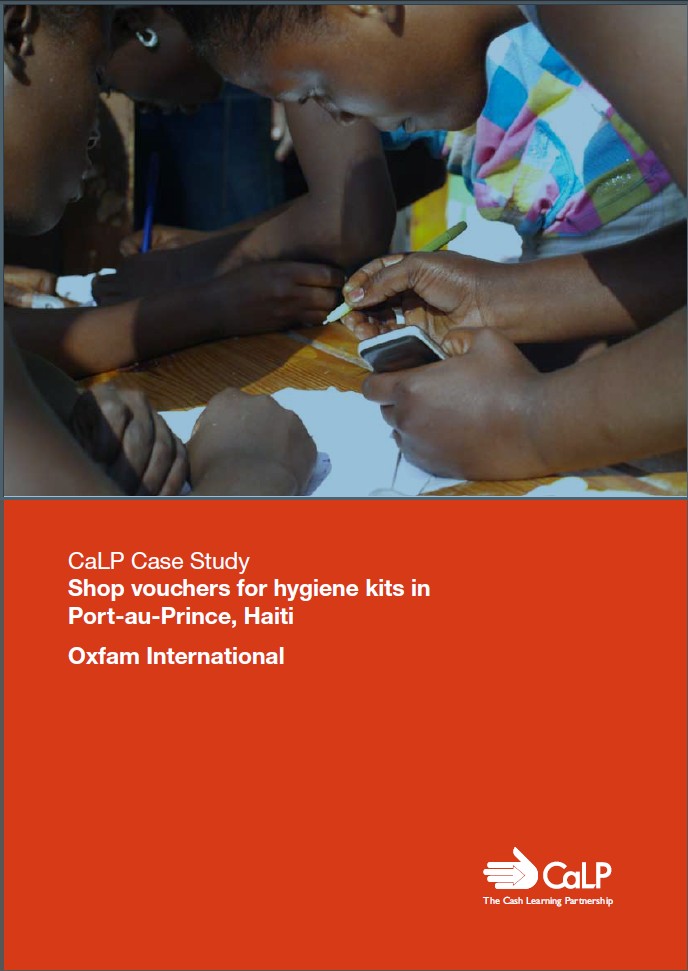
Shop Vouchers for Hygiene Kits in Port-au-Prince, Haiti (CaLP Case Study)
In the aftermath of the 2010 Haiti earthquake, Oxfam¿s Public Health Promotion team used a voucher programme to provide beneficiaries with essential hygiene items through local shops.
Síntesis del Foro en Línea: Grupos de Ahorro en América Latina
Los grupos de ahorro y crédito inicialmente se hicieron conocidos por los éxitos alcanzados en países como Níger, Mali, Tanzania y Kenia. Sin embargo, en los últimos años, muchas organizaciones han empezado a comprobar la eficacia de esta metodología en América Latina. A través de este foro 15 orgnizaciones de América Latina se reunieron para el intercambio de ideas e información y para dar a conocer las iniciativas que están siendo implementadas en esta parte del mundo.
Social Analysis for Agriculture and Rural Investment Projects
Although many manuals and user guides on social analysis exist already, most neglect its application to agriculture and rural investment. To address this gap, FAO's Investment Centre Division has developed three complementary guides in a series entitled `Social analysis for agriculture and rural investment projects.
Social Protection for Food Security
Our Report emphasizes that in order to ensure food security for all and forever, both intra-generational and inter-generational social protection measures should receive attention. Inter-generational social protection measures will help to end maternal and foetal malnutrition leading to infants having low birth weight, which places them under severe handicaps in later life, including impaired cognitive ability, obesity and diabetes.
Sowing the seeds of good nutrition
This report aims to assess to what extent the global agenda on nutrition and agriculture is actually translating into action at country level, based on three country case studies conducted in Burkina Faso, Kenya and Peru.
Spanish Red Cross Guidelines on Economic Development
The Spanish Red Cross developed the Guidelines on Economic Development based on years of extensive experience implementing livelihoods programmes worldwide.
SPHERE: Humanitarian Charter and Minimum Standards in Disaster Response
The Sphere Handbook and Humanitarian Charter and Minimum Standards for Disaster Response (version 2018) describes the core principles that govern humanitarian action and asserts the right of populations to protection and assistance.
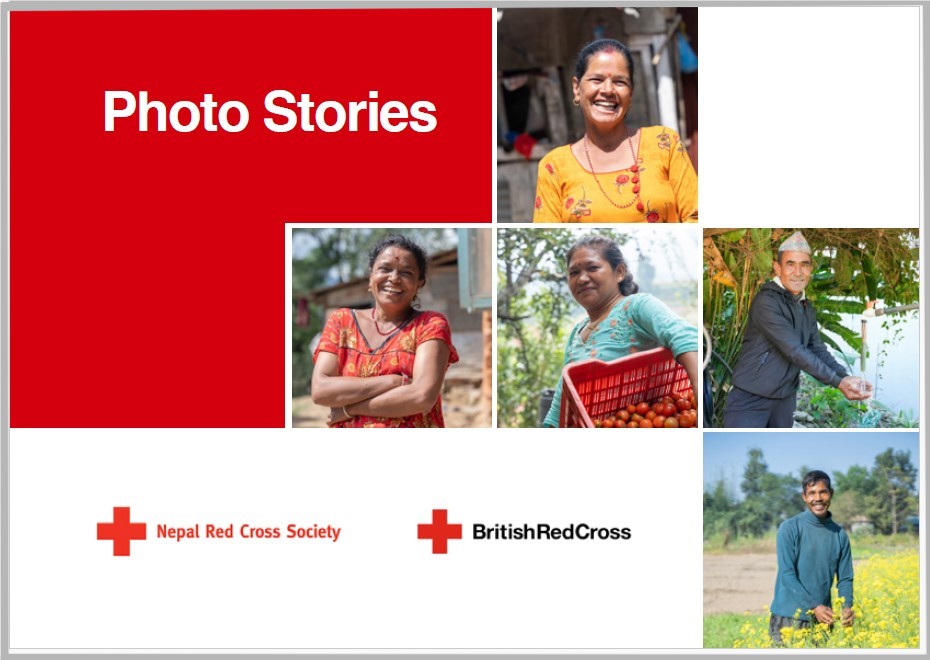
Stories from Nepal - Resilient Livelihoods Programme
A collection of 31 stories from participants of the programme "Resilient Livelihoods Programme" supported by the British Red Cross in Nepal in the framework of the Covid19 recovery.
Fichiers: ENGLISH |
STRIVE - Learning product #1
The STRIVE project, implemented by the Turkish Red Crescent, aims to improve livelihood opportunities and foster economic resilience among migrants and vulnerable host communities affected by the 2023 earthquakes across seven provinces in Türkiye. The initiative combines labour market analysis, employer engagement, and job readiness support, with a strong focus on facilitating access to formal employment. This document specifically examines employer incentives that promote the formal hiring of migrants, highlighting mechanisms that reduce costs and risks, enhance productivity and retention, and simplify administrative processes for employers.
This learning product has been developed under the STRIVE Project, a collaborative initiative implemented through a tripartite partnership between the British Red Cross, the International Federation of Red Cross and Red Crescent Societies, and the Turkish Red Crescent. The IFRC Türkiye Delegation leads the learning component, providing technical guidance and coordination among stakeholders, with support from the IFRC Livelihoods Resource Center. Meanwhile, the British Red Cross manages project funding and leads policy advocacy efforts, ensuring technical support across all components. This structure enables a coordinated and strategic approach to strengthening livelihoods interventions in Türkiye.
Fichiers: DOWNLOAD |
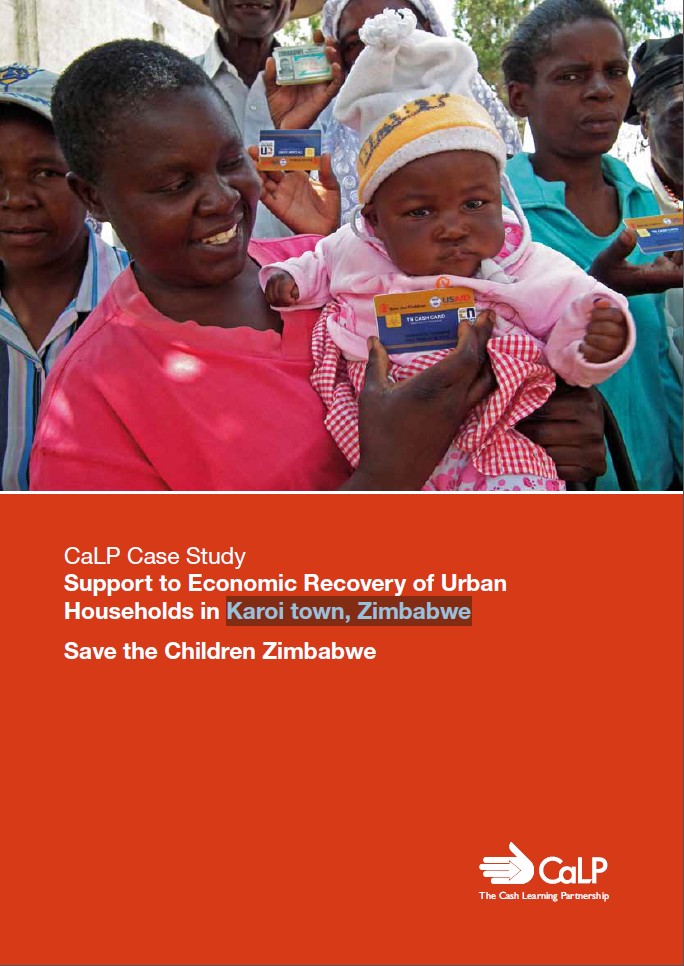
Support to Economic Recovery of Urban Households in Karoi town, Zimbabwe (CaLP Case Study)
In the urban area of Karoi, Zimbabwe, Save the Children combined cash for work with livelihoods support to meet the immediate food needs and support the economic recovery of poor families.
Systeme Failure? Revisiting the Problems of timely response to crises in the horn of Africa
This Network Paper examines how one project tried to ask the same questions again, its successes and failures and its attempt at a fresh explanation of the fact that so many apparently simple problems have proved so intractable.
The Invisible Economy and Gender Inequalities: The Importance of Measuring and Valuing Unpaid Work
Unpaid health and child care provided in the household, along with other activities that contribute to the physical, cognitive, and emotional development of members of a household, have a major impact on individual and public well-being, as well as on the human development potential of the countries. These economic activities, performed largely by women, take place outside the market and are therefore invisible in the economic statistics and national accounts systems of most countries.
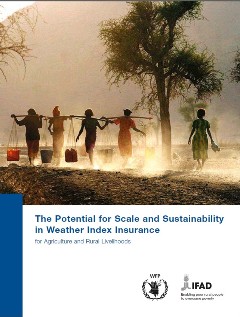
The Potential for Scale and Sustainability in Weather Index Insurance for Agriculture and Rural Livelihoods
Risk is inherent in agriculture. Farmers face a variety of market and production risks that make their incomes unstable and unpredictable from year to year. Input prices may increase out of reach, crops may be destroyed by drought or pest outbreaks, selling prices may plummet and harvests may rot in poor storage facilities.
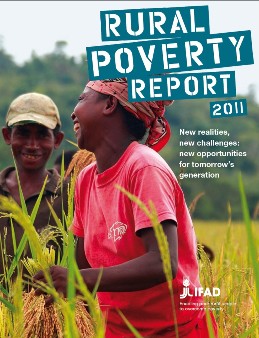
The Rural Poverty Report 2011
The Rural Poverty Report 2011 provides a coherent and comprehensive look at rural poverty, its global consequences and the prospects for eradicating it.
Transferring Cash and Assets to the Poor
This report examines whether the Department is achieving value for money through transfers by reducing poverty and increasing well-being at reasonable cost. This involves reaching people in need and giving optimal support, in a timely and scheduled way, as well as assessing whether it knows the short- and longer-term effects of its interventions.

